


Cocoa powder is more than a baking ingredient. This complete guide explains the three types of cocoa powder, how they differ, and when to use each one with confidence.
February 10, 2026
Cocoa Powder Guide: Natural, Dutch Process, and Black Cocoa

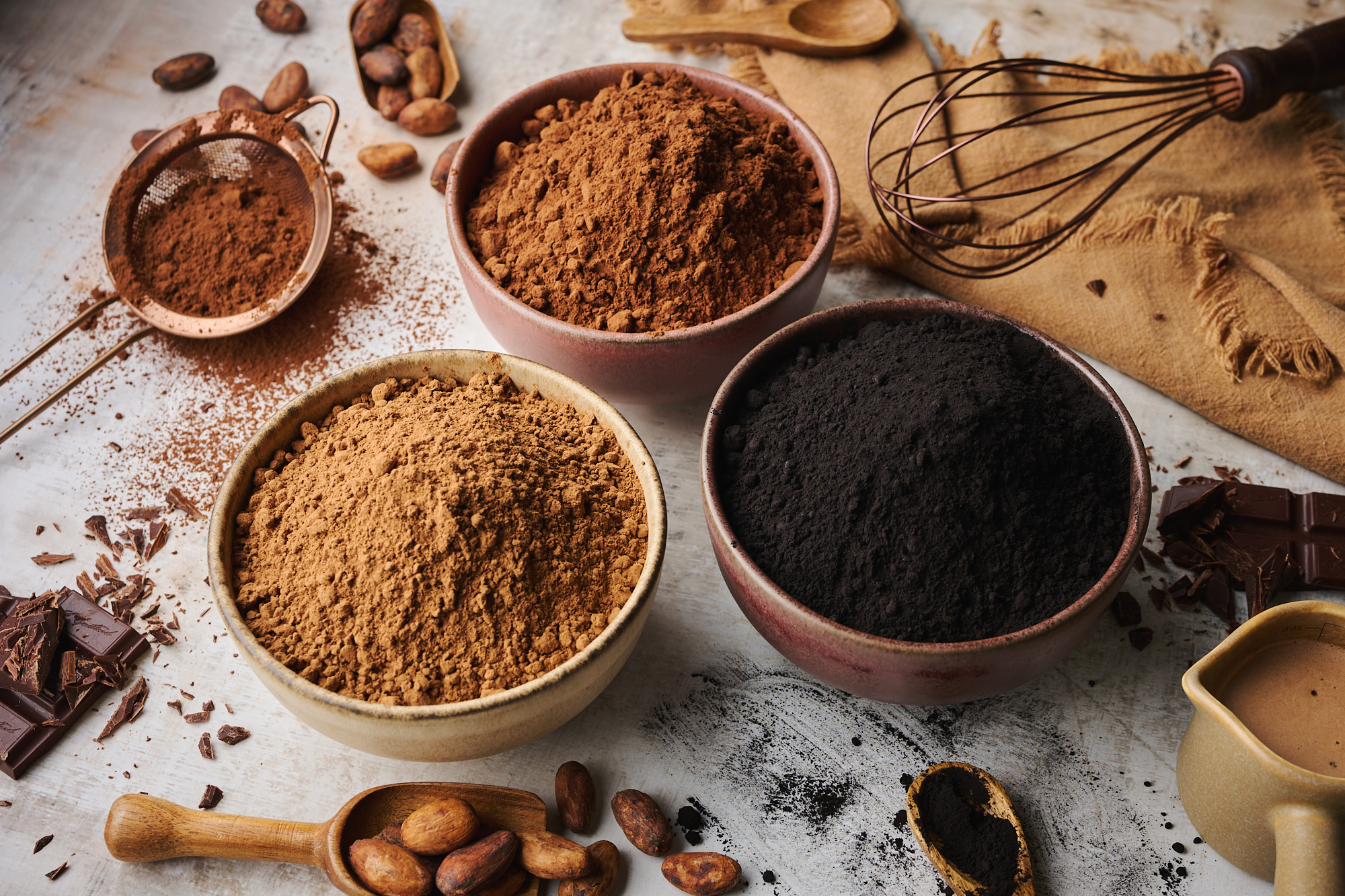
Understanding Cocoa Powder in Your Kitchen
What Cocoa Powder Really Is
Cocoa powder is one of those ingredients that quietly shapes how your baking turns out. It affects flavor, color, texture, and even how a recipe rises in the oven. At first glance, cocoa powder may seem interchangeable. However, the type you use makes a noticeable difference. Once you understand how natural, Dutch-process, and black cocoa behave, choosing the right one becomes part of the creative process instead of guesswork.
When I first began baking from scratch, I assumed cocoa powder was simply cocoa powder. If a recipe called for it, I reached for whatever was on the shelf. It wasn’t until I baked the same cake with two different cocoas that I realized one small pantry staple could completely change the flavor, color, and texture of a recipe. That simple lesson has stayed with me ever since, and today I always keep more than one cocoa powder in my pantry because each one has a purpose.
My Three Favorite Cocoa Powders I Always Keep in My Pantry – Natural, Dutch-Processed, and Black
I don’t believe every pantry needs dozens of specialty ingredients. I’d rather keep a handful of dependable staples that I understand well and reach for often. Cocoa powder is one of those ingredients. If you opened my pantry today, you’d find three jars of cocoa powder sitting side by side. I don’t keep them because one is better than another. I keep them because each brings something different to the kitchen. Once you understand how they behave, choosing the right one becomes almost second nature.
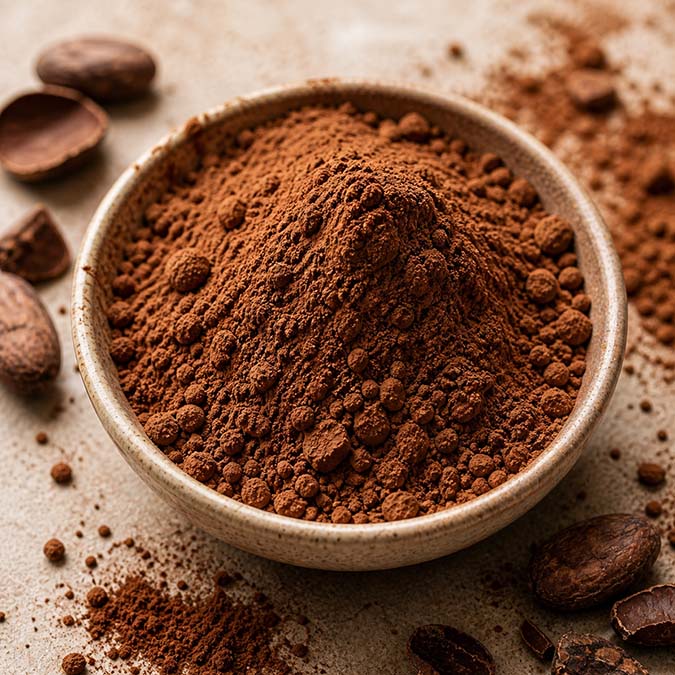
Natural Cocoa Powder
Bright, lively, and structured
Flavor and Color
- Light to medium brown
- Slightly acidic
- Bright, sharp chocolate flavor
Natural cocoa has a freshness to it. Because of its acidity, it helps balance sweetness and keeps baked goods from feeling too heavy.
How It Works in Baking
Natural cocoa powder is naturally acidic, which means it reacts with baking soda to create carbon dioxide. That reaction helps cakes, muffins, and quick breads rise while producing a lighter, more tender crumb. It also contributes a brighter chocolate flavor with slightly fruity notes. Because of its acidity, natural cocoa should generally be used in recipes specifically written for it. Swapping it for another cocoa without adjusting the leavening can change both the texture and the rise of the finished bake.
Best Uses for Natural Cocoa
- Chocolate cakes
- Muffins and quick breads
- Everyday baking
- Recipes using baking soda
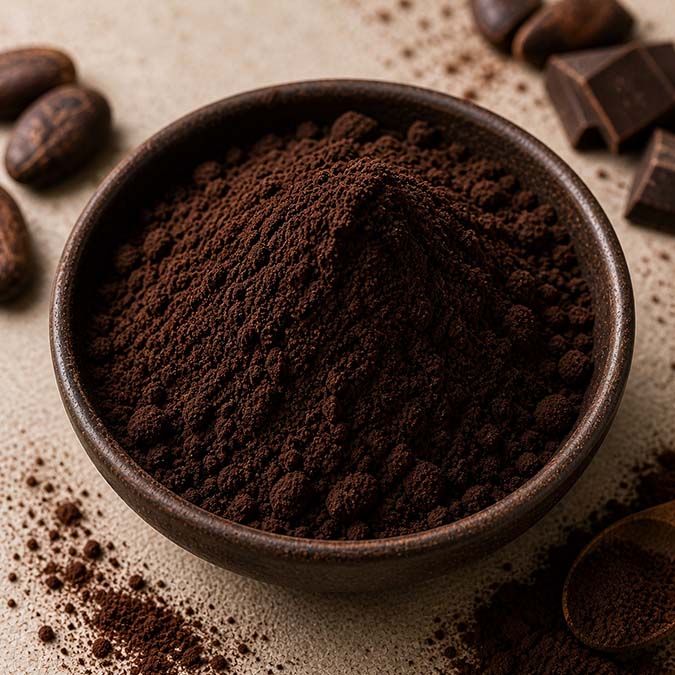
Dutch-Process Cocoa Powder
Smooth, mellow, and deeply chocolate
Flavor and Color
- Darker brown
- Smooth and mellow
- Less acidic, more rounded chocolate flavor
Dutch cocoa feels deeper and more refined. Instead of brightness, it brings a softer, richer chocolate tone.
How It Works in Baking
Dutch-process cocoa has been treated with an alkaline solution to reduce its natural acidity. Because it is no longer acidic, it does not react with baking soda in the same way as natural cocoa. Instead, recipes using Dutch-process cocoa are usually paired with baking powder for lift. The result is a smoother, richer chocolate flavor with a darker color and a softer finish. It’s an excellent choice for brownies, chocolate cakes, cookies, frostings, and sauces where a deep chocolate taste is the goal.
Best Uses for Dutch Cocoa
- Brownies
- Chocolate sauces
- Frostings
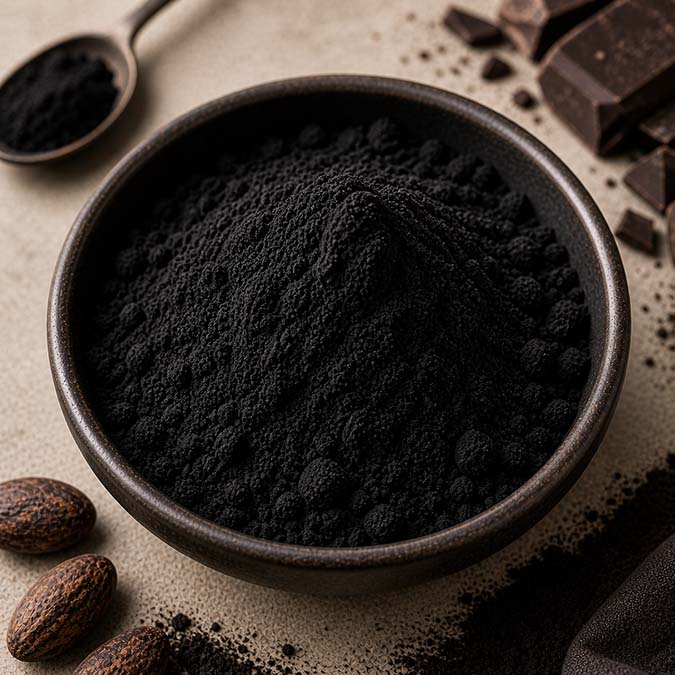
Black Cocoa Powder
Bold, dark, and dramatic
Flavor and Color
- Very dark, nearly black
- Mild and slightly bitter
- Deep, toasted chocolate notes
Black cocoa is less about sweetness and more about depth. It brings a striking color and a more intense chocolate presence.
How It Works in Baking
Black cocoa is an ultra-Dutched cocoa powder that has been processed even further to create its dramatic dark color and distinctive flavor. It contains very little acidity and contributes almost no leavening power on its own. Because it has a milder chocolate flavor than many people expect, it is usually blended with natural or Dutch-process cocoa rather than used by itself. This combination produces baked goods with a rich chocolate flavor while achieving the signature dark color found in sandwich cookies and some specialty cakes.
Best Uses for Black Cocoa
- Chocolate sandwich cookies
- Dark chocolate cakes
- Decorative bakes
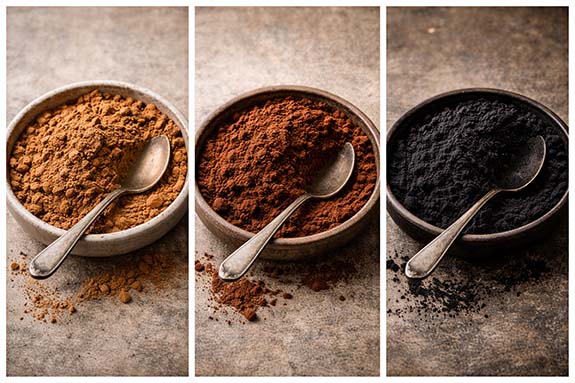
How Cocoa Powder Affects Baking
Cocoa powder influences more than flavor. It affects color, tenderness, structure, and rise.
A simple pantry rule helps:
Natural cocoa powder works best in recipes with baking soda because it is acidic.
Dutch-process cocoa powder works best in recipes with baking powder because its acidity has been reduced.
Black cocoa powder is best used in smaller amounts or blended with another cocoa for deeper color and flavor.
One small choice can completely change the final bake.
Natural Cocoa
- Adds brightness
- Reacts with baking soda
- Creates lift and tenderness
Dutch Cocoa
- Adds depth and smoothness
- Works with baking powder
- Creates a richer texture
Black Cocoa
- Adds color and intensity
- Does not provide structure
- Works best when blended
Even a small change in cocoa type can shift the final result.
Choosing a Good Cocoa Powder
You do not need a cabinet full of cocoa powders. One good cocoa powder you understand well is more useful than several brands you rarely reach for.
A good cocoa powder should smell rich and deeply chocolatey when you open the container. If it smells flat, dusty, or dull, it will likely taste that way in your baking too.
For everyday baking, choose a cocoa powder from a brand you trust and use it consistently. The more familiar you become with one ingredient, the more confident you become using it.
How to Store Cocoa Powder
I keep each variety in its own airtight glass jar tucked inside a cool pantry cabinet, away from the stove and afternoon sun. It’s a simple habit, but one that keeps each cocoa tasting fresh for months. Every time I open a jar, I want to smell rich chocolate before I ever add it to a recipe.
Cocoa powder has a long shelf life when stored properly, but it can gradually lose its rich aroma and flavor if exposed to heat, moisture, or light. I keep each variety in an airtight glass jar inside a cool, dry pantry away from the stove.
Unlike chocolate, cocoa powder doesn’t spoil quickly, but fresher cocoa always produces better flavor in baked goods. If your cocoa smells flat or dull instead of deeply chocolatey, it’s time to replace it.
Can You Substitute Cocoa Powders?
You can substitute cocoa powders in some recipes, but it depends on what you are baking.
Brownies, frostings, puddings, sauces, and hot cocoa are usually more forgiving.
Cakes, muffins, and quick breads need more care because they depend on leavening. Natural cocoa and Dutch-process cocoa react differently with baking soda and baking powder, so the wrong swap can affect texture, color, and rise.
When in doubt, use the cocoa powder listed in the recipe.
Common Mistakes When Using Cocoa Powder
The most common mistake is assuming all cocoa powders behave the same way. Natural and Dutch-process cocoa have different acidity levels, so swapping them without adjusting the leavening can change the rise and texture of your bake.
Another mistake is using old cocoa powder that has lost its aroma. Fresh cocoa brings more flavor than many bakers realize.
A few simple habits help:
Store cocoa powder in a cool, dry place.
Keep it sealed tightly.
Sift it before using to remove clumps.
Smell it before baking. If it smells dull, replace it.
Pantry Foundations Tips
- Store cocoa powder in a cool, dry place
- Keep it sealed to protect flavor
- Sift before using to remove clumps
- Taste a small amount to understand its profile
These small steps make a difference over time.
Frequently Asked Questions
What is the difference between natural and Dutch cocoa?
Natural cocoa is acidic and reacts with baking soda. Dutch cocoa is neutralized and works best with baking powder.
Can I substitute Dutch cocoa for natural cocoa?
Yes, but you may need to adjust the leavening to maintain proper rise and texture.
What is black cocoa powder used for?
Black cocoa is used for deep color and flavor, often in sandwich cookies and very dark baked goods.
Why does cocoa type matter in baking?
Cocoa affects both flavor and the chemical reactions that help baked goods rise properly.
Which cocoa powder is best for brownies?
Dutch process cocoa is often preferred because it creates a rich, smooth chocolate flavor.
Does cocoa powder expire?
Cocoa powder keeps well for a long time when stored in a cool, dry pantry. While it may remain safe beyond the printed date, its flavor slowly fades over time. If it smells weak or lacks its rich chocolate aroma, replacing it will noticeably improve your baking.
Final Thoughts
One of the things I love most about cooking from scratch is discovering that the smallest ingredients often have the biggest impact. Cocoa powder is a perfect example. Understanding the differences between natural, Dutch-process, and black cocoa isn’t about making baking more complicated. It’s about giving yourself the confidence to choose the right ingredient before you even turn on the oven. That’s what Pantry Foundations is all about. The more familiar you become with the ingredients in your pantry, the more naturally good cooking begins to feel.


