September 14, 2026
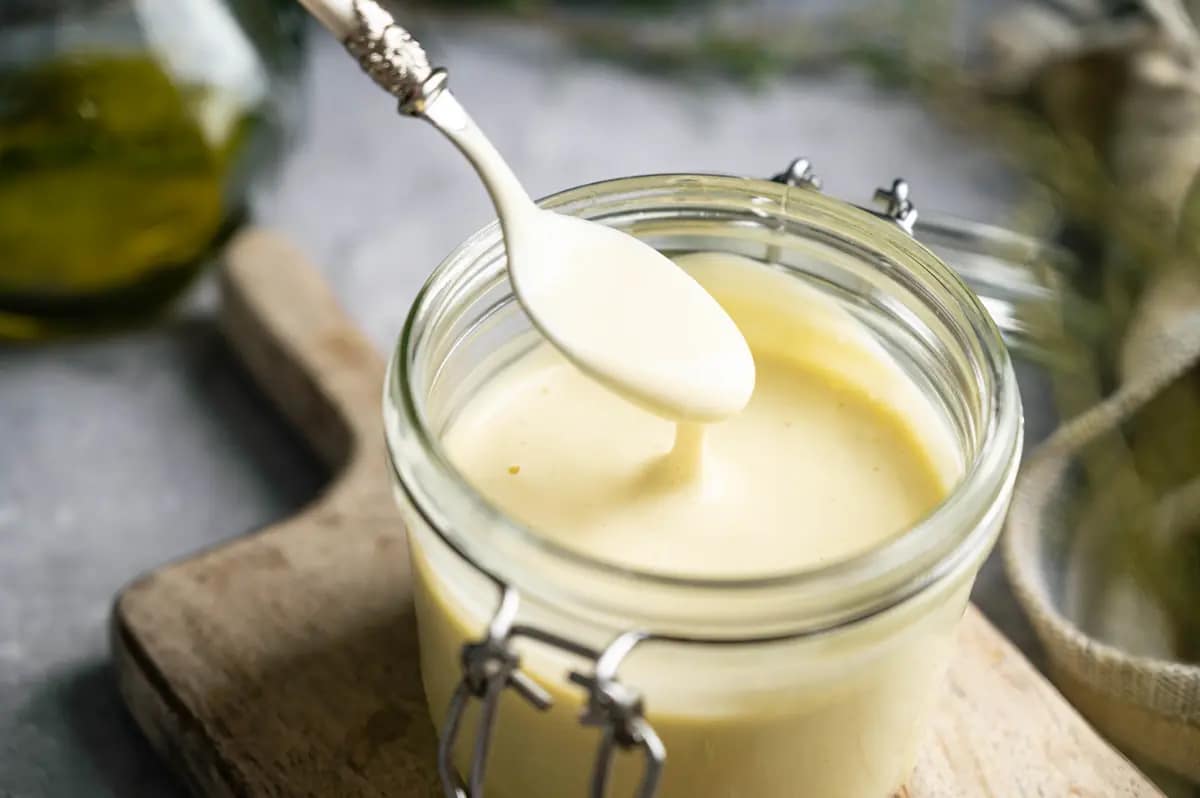
This creamy homemade avocado oil mayonnaise is made without eggs and comes together in about one minute with five simple ingredients.
Homemade Avocado Oil Mayonnaise Without Eggs
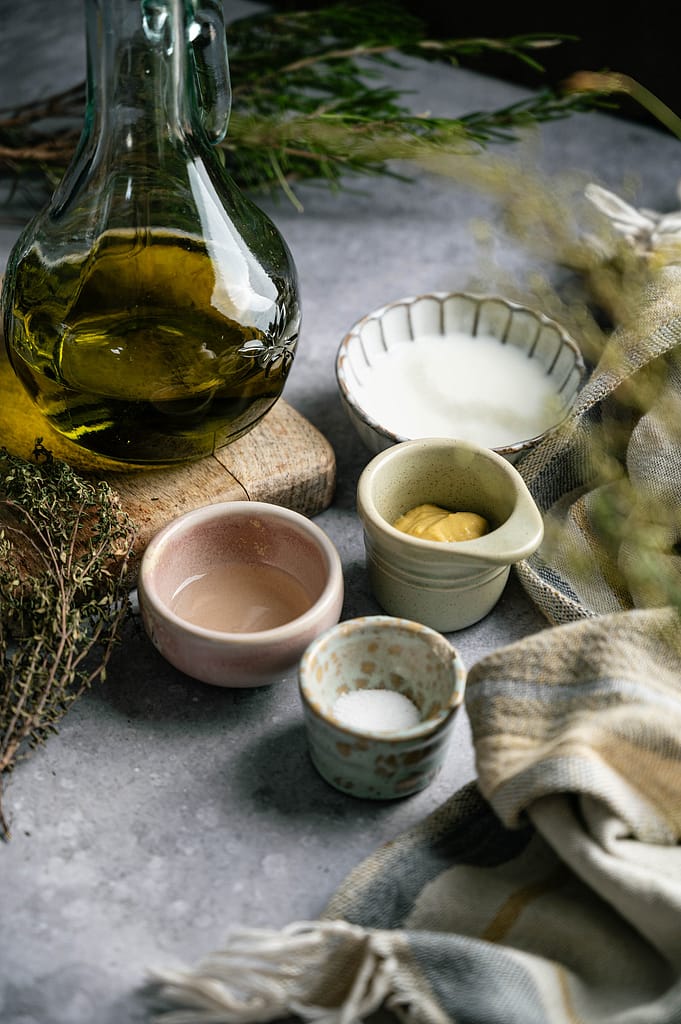
Avocado oil mayonnaise is one of those kitchen staples I like knowing how to make for myself. This egg-free version uses cold whole milk, avocado oil, Dijon mustard, apple cider vinegar, and sea salt. An immersion blender turns them into a thick, creamy spread in about a minute.
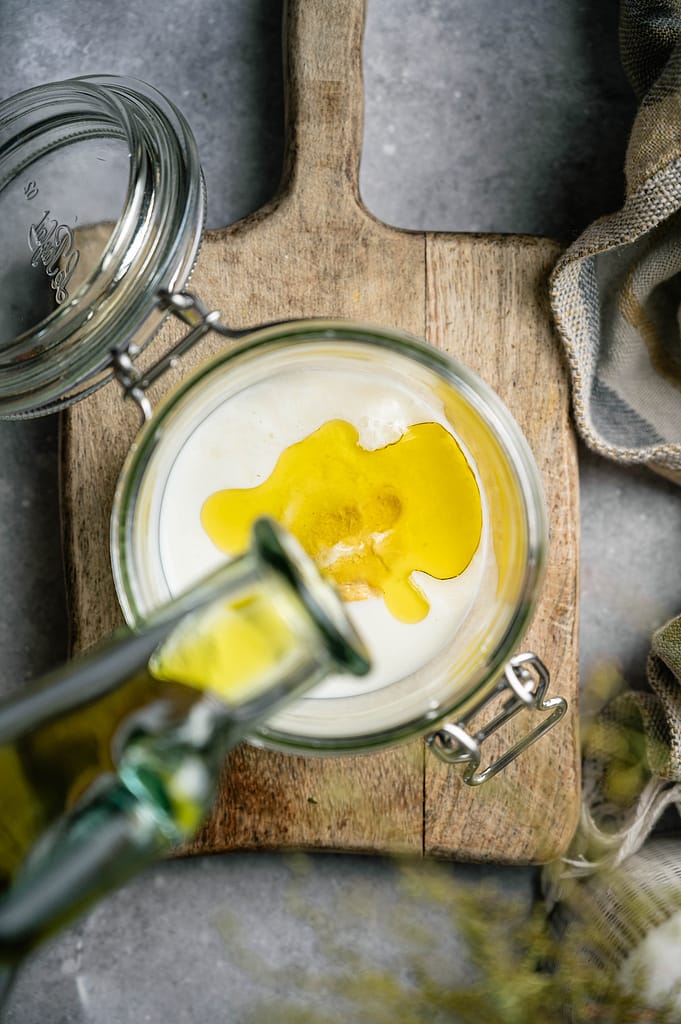
I use mild avocado oil so the mayonnaise works with whatever I’m making next. Dijon adds a little sharpness, and the apple cider vinegar goes in after the milk and oil have thickened. Watching that pale layer form at the bottom of the jar makes the method easy to follow.
Make a small jar for the next few days of sandwiches, dressings, or potato salad. It’s a useful recipe when you want to prepare just what you need and choose each ingredient yourself.
Why You’ll Love This
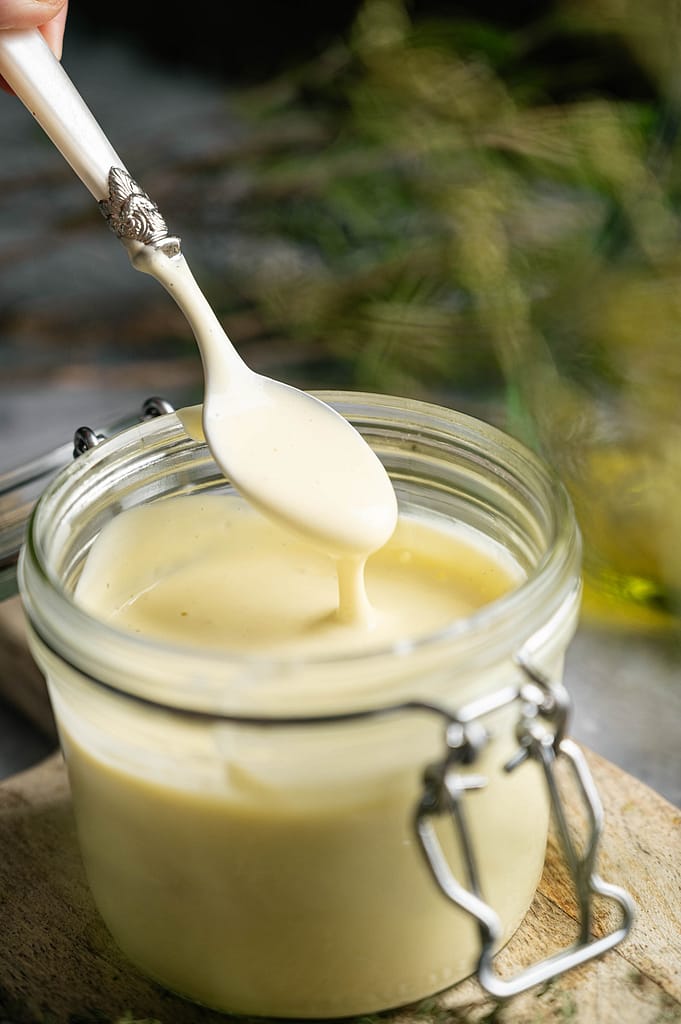
Five ingredients and a close-fitting blender jar make this a manageable first mayonnaise recipe.
- Quick to blend. The immersion blender brings the mixture together in about a minute.
- Made without eggs. Whole milk forms the base. This version contains dairy.
- Mild flavor. Refined avocado oil lets the mustard and vinegar come through.
- A useful small batch. Make it for the sandwiches, dips, or salads you’re planning.
Ingredients You’ll Need
Whole Milk
Cold whole milk supplies the water and protein needed to build the emulsion. Whole milk creates a fuller texture than reduced-fat milk. Keep it refrigerated until you are ready to blend.
Avocado Oil
Choose a mild or refined avocado oil for the most neutral flavor. Some extra-virgin avocado oils taste grassy or strong, which can be lovely in a dressing but distracting in an everyday mayonnaise.
Dijon Mustard and Apple Cider Vinegar
Dijon adds gentle sharpness and supports the emulsion. The vinegar goes in after the mayonnaise thickens, adding brightness without loosening the mixture too early.
Fine Sea Salt
Fine sea salt dissolves easily and rounds out the flavor. Taste after blending and adjust carefully because a small amount can change a concentrated condiment quickly.
Ingredient Philosophy
I choose organic whole milk and pantry staples whenever possible. With so few ingredients, the oil’s flavor is easy to notice. Taste it before blending and choose a mild avocado oil for an everyday spread.
Use fresh milk and keep it cold until you begin. There’s no need to fill a large jar just because you have the ingredients out. A small batch fits the way I use mayonnaise: a little at lunch, a spoonful in a dressing, and enough left for the next meal.
How to Make Avocado Oil Mayonnaise
Choose the Right Jar
Use a narrow, straight-sided jar that is only slightly wider than the head of your immersion blender. This keeps the ingredients close to the blades so the first thick layer can form reliably.
Layer the Ingredients
Add the cold milk, Dijon mustard, and salt to the jar, then pour the avocado oil over the top. Place the blender head flat against the bottom and hold it firmly in place.
Build the Emulsion
Blend on high without moving the blender for 15 to 20 seconds. Once the bottom becomes pale and thick, tilt the blender slightly and lift it very slowly. The remaining oil will be drawn gradually into the emulsion, creating a smooth and even mayonnaise.
Finish with Vinegar
Add the apple cider vinegar after the mayonnaise is fully creamy and blend only until smooth. Taste for salt and acidity, then cover the jar and refrigerate it immediately.
My Weathered Tips
Gather everything first. A little mise en place makes this avocado oil mayonnaise easier to prepare. Measure the ingredients and set out a narrow jar and your immersion blender. Keep the milk refrigerated until you’re ready to start.
Watch the bottom. Keep the blender still until a thick, pale layer surrounds the blades. Lifting too early can leave the oil and milk unmixed.
Adjust in small amounts. For an already emulsified mayonnaise, blend in avocado oil one tablespoon at a time to thicken it, or cold milk one teaspoon at a time to loosen it.
Season after the vinegar. Blend it in, then taste before adding extra salt. Dijon contributes seasoning too.
Choose the jar first. Check that the blender head fits close to the sides and can sit flat on the bottom before adding your ingredients.
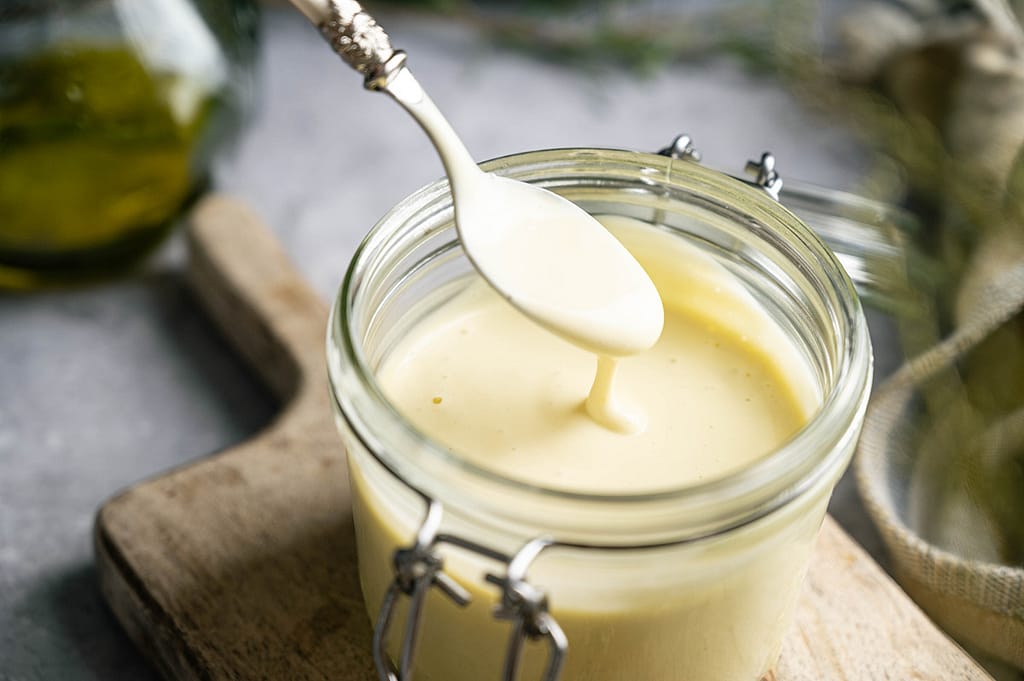

Homemade Avocado Oil Mayonnaise Without Eggs
A creamy egg-free mayonnaise made with cold whole milk, mild avocado oil, Dijon mustard, apple cider vinegar, and an immersion blender.
- Total Time5 minutes
- YieldAbout ¾ cup 1x
Ingredients
- 1/4 cup cold whole milk
- 1/2 cup avocado oil
- 1 teaspoon apple cider vinegar
- 1 teaspoon Dijon mustard
- 1/2 teaspoon fine sea salt
Instructions
- Add the cold whole milk, Dijon mustard, and salt to a narrow, straight-sided jar.
- Pour the avocado oil over the milk mixture. Set the immersion blender firmly on the bottom of the jar.
- Blend on high without moving the blender for 15 to 20 seconds, until a thick, pale emulsion forms at the bottom.
- Tilt and lift the blender very slowly to draw in the remaining oil.
- Add the apple cider vinegar and blend briefly, just until smooth.
- Taste, adjust the salt if needed, cover, and refrigerate immediately.
Notes
Use a jar only slightly wider than the immersion blender head. Keep the milk cold and do not lift the blender until a thick layer forms at the bottom.
For thicker mayonnaise, blend in additional avocado oil one tablespoon at a time. To loosen it, add cold milk one teaspoon at a time.
Storage, Freezing & Make Ahead
Transfer the mayonnaise to a clean, tightly covered jar and refrigerate it immediately at 40°F (4°C) or below. Use it within four days, always scoop with a clean utensil, and return the jar to the refrigerator promptly.
Do not freeze this mayonnaise. Freezing can break the emulsion and leave the texture grainy or separated. Discard it sooner if you notice an off odor, unusual color, visible spoilage, or another concerning change.
- Prep Time: 5 minutes
- Cook Time: 0 minutes
- Category: Sauces & Staples
- Method: Immersion blending
- Cuisine: American
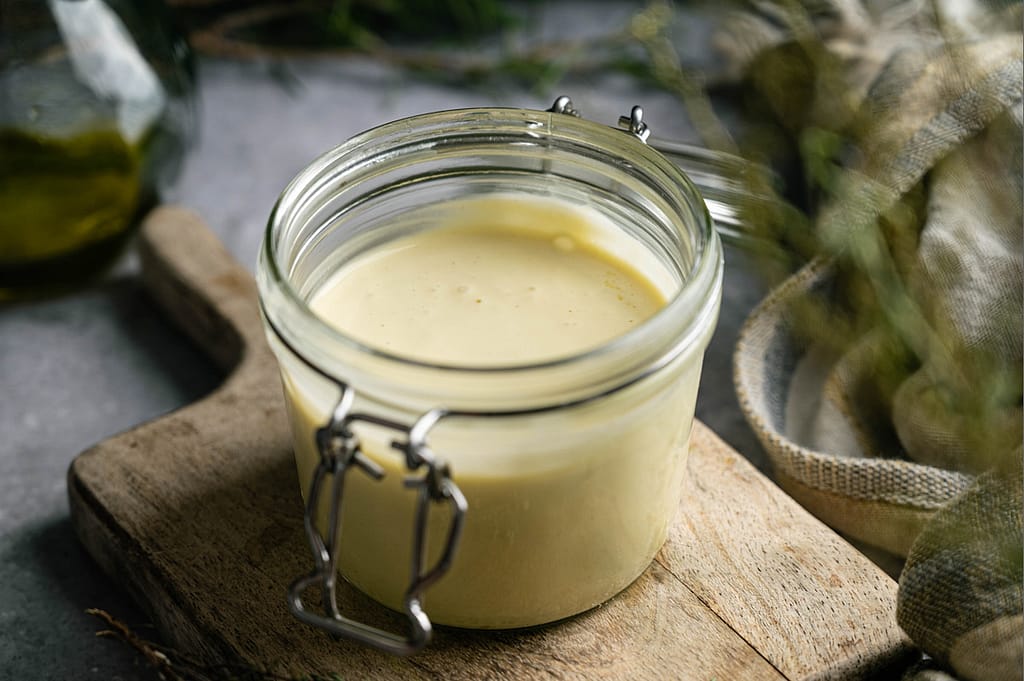
From Kitchen to Table
Spread it on tomato or turkey sandwiches, whisk a small portion with vinegar for a creamy dressing, or stir in garlic and herbs for a vegetable dip. Add extra liquid gradually so you can control the thickness.
Use it to bind tuna or chicken salad, or fold it into my Best Ever Potato Salad. For a lunch platter, set out sliced vegetables and Homemade Hummus alongside your sandwiches.
Variations
- Garlic Mayonnaise. Blend in one small grated garlic clove after the emulsion forms, then refrigerate for 20 minutes before serving.
- Fresh Herb Mayonnaise. Fold in finely chopped chives, parsley, dill, or basil. Dry the herbs well so extra water does not loosen the mayonnaise.
- Lemon Mayonnaise. Replace part of the vinegar with fresh lemon juice, adding it gradually to protect the texture.
- Spicy Mayonnaise. Stir in smoked paprika, cayenne, or finely chopped pickled jalapeño, beginning with a small amount.
Frequently Asked Questions
Can I Use Reduced-Fat Milk?
Whole milk gives the most reliable, creamy result. Reduced-fat milk contains less fat and may produce a thinner mayonnaise, so I recommend beginning with whole milk when testing the recipe.
Can I Use Olive Oil Instead of Avocado Oil?
You can, but the flavor will be more pronounced and some olive oils can become bitter when blended aggressively. Mild avocado oil gives the most neutral and versatile result.
Why Did My Mayonnaise Stay Thin?
The jar may be too wide, or the blender may have moved before the first thick layer formed. Check that the head fits closely and rests flat on the bottom. A mixture with visible separated oil needs to emulsify before you make texture adjustments.
Can I Make a Double Batch?
For the most reliable texture, make two separate batches in the same close-fitting jar rather than doubling everything at once. Plan to use both within the storage window above.
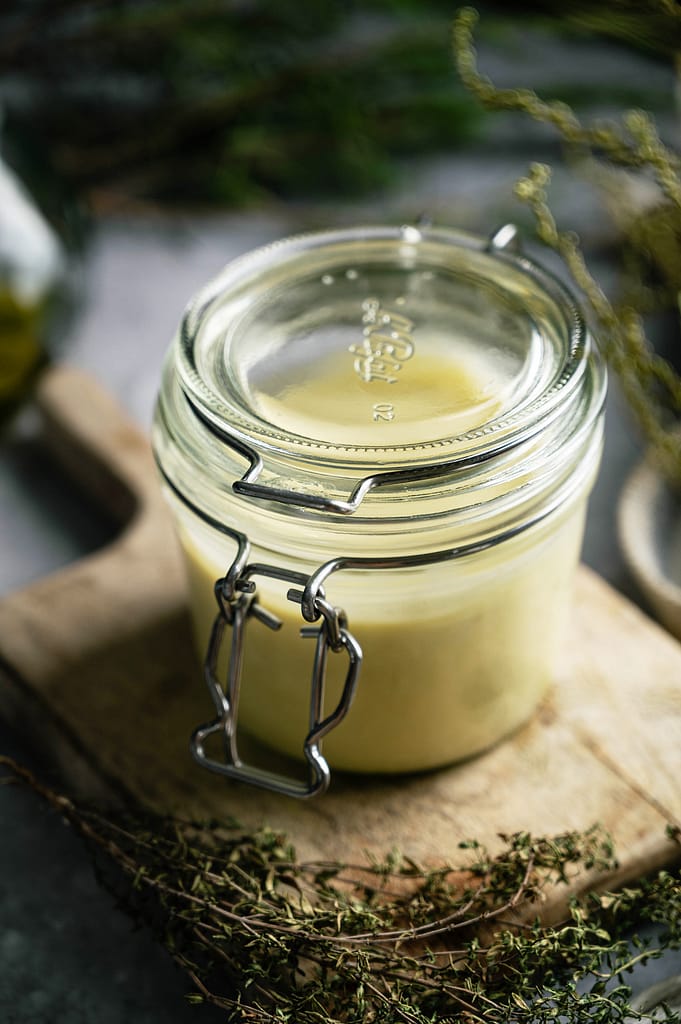
Around My Table
I like the small jobs in the kitchen that make the next meal easier. A jar of mayonnaise is one of them. Once it’s chilled, I can put together a sandwich or dress a bowl of potatoes without starting another recipe.
It doesn’t need to be the center of the meal to earn its place at the table. Sometimes it’s the spread on good bread, with a ripe tomato and a little salt, that makes lunch. You’ll find more useful staples and everyday recipes in my Recipe Box.

return to recipe box
Questions about a recipe or technique?
I’m always happy to help. Feel free to reach out if you need guidance, substitutions, or a little extra help in the kitchen.
Pull up a Chair...
return to pantry foundations
return to recipe box
[email protected]
Questions about a recipe or technique?
I’m always happy to help. Feel free to reach out if you need guidance, substitutions, or a little extra help in the kitchen.
Lisa Marie
Leave a Reply