Mise en Place: The Simple Habit That Makes Creating in the Kitchen More Fun
September 14, 2026
Discover how reading the recipe, gathering ingredients, measuring, and preparing your workspace can make creating in the kitchen more enjoyable.
I used to think gathering ingredients as I cooked saved time.
Then I would find cold butter, a cold oven, or an empty jar where an ingredient should have been. Instead of enjoying the recipe, I rushed between the pantry, refrigerator, and stove.
Everything changed when I began reading the recipe completely, gathering what I needed, and preparing the ingredients before starting.
Cooks call that simple habit mise en place. It does not require a row of perfect glass bowls or a professional kitchen. It simply means creating a little order before the cooking or baking begins.
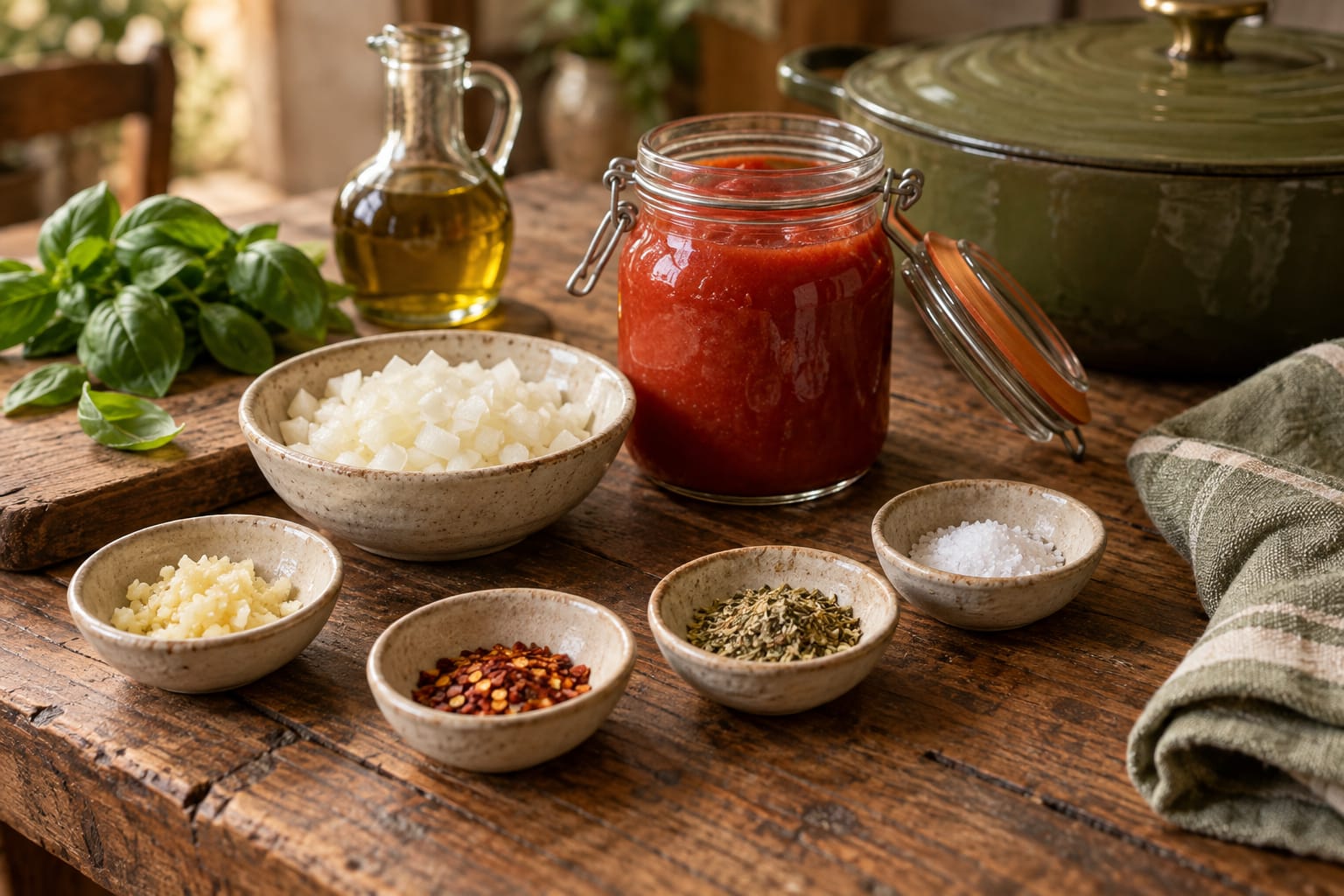
What Is Mise en Place?
The French phrase mise en place means “everything in its place.”
In a professional kitchen, it includes the ingredients, equipment, workspace, and preparation needed before service begins. At home, it can be much simpler.
Mise en place may mean:
- Reading the recipe from beginning to end
- Checking that you have every ingredient
- Bringing ingredients to the correct temperature
- Washing and chopping vegetables
- Weighing flour, sugar, and butter
- Opening cans or jars
- Preparing the pan
- Preheating the oven
- Setting out the equipment you will need
The goal is not to make the kitchen look perfect. The goal is to make the recipe easier to follow.
Why Preparation Makes the Kitchen More Fun
Cooking and baking become frustrating when too many decisions happen at once.
For example, onions brown while you search for garlic. Meanwhile, the mixer runs as you measure flour. Then the dough needs a pan you have yet to prepare.
Mise en place creates space between reading and doing.
As a result, you can follow the recipe with more confidence. Your ingredients and equipment are ready, and you know what comes next.
Preparation also helps you notice potential problems before they interrupt the recipe. You may discover that the dough needs to chill for two hours, the beans should be soaked overnight, or the butter needs time to soften.
Once those details are clear, the process becomes more enjoyable.

Read the Recipe All the Way Through
First, pause before you pick up a knife or turn on the oven.
Read the complete recipe, including the notes at the end.
Do not stop after the ingredient list. Read every instruction, including preparation notes, resting times, temperatures, and storage guidance.
Look for phrases such as:
- Divided
- Room temperature
- Softened but still cool
- Melted and cooled
- Finely chopped
- Drained and rinsed
- Preheated
- Chilled
- Rest for 30 minutes
These details affect when and how an ingredient enters the recipe.
Reading everything first also helps you understand the natural rhythm of the work. You can see which tasks happen quickly, which steps require your full attention, and where you may have time to clean or prepare something else.
Check the Pantry Before You Begin
Next, gather your ingredients for one last pantry check.
Open the pantry, refrigerator, and freezer. Confirm that you have enough of every ingredient.
A nearly empty flour container may not hold the 500 grams needed for bread. The milk carton may contain less than expected. A jar of baking powder may be older than you remembered.
If something is missing, you still have time to adjust. Choose another recipe, find a suitable swap, or add the ingredient to your shopping list.
As a result, this habit keeps you connected to your pantry. You notice what is running low, what needs to be used soon, and what you may have accidentally purchased twice.

Gather Your Equipment
Of course, ingredients are only part of mise en place.
Set out the equipment the recipe requires:
- Mixing bowls
- Kitchen scale
- Measuring spoons
- Cutting board and knife
- Whisk, spatula, or wooden spoon
- Baking pans
- Parchment paper
- Food thermometer
- Blender, mixer, or food processor
- Cooling rack
- Storage containers
However, you do not need every item on the counter at once. Check that each one is clean and easy to reach.
This is especially helpful when a recipe moves quickly. A prepared sheet pan or clean whisk can keep the process flowing without interruption.
Measure and Prepare the Ingredients
Measure the ingredients that need precision. Wash and chop the produce. Drain the beans. Grate the cheese. Zest the citrus. Toast the nuts if the recipe calls for them.
In the MWT kitchen, I read the recipe completely, bring out every ingredient, and weigh what needs weighing before I begin.
This makes recipe testing more consistent, but it also makes everyday cooking and baking feel easier.
You do not need a separate bowl for every ingredient. Combine ingredients that enter the recipe together when it makes sense.
For example, flour, baking powder, baking soda, salt, and spices can often share one bowl. Chopped carrots, celery, and onions may share another when they are added to the pan at the same time.
Thoughtful preparation should simplify the process, not create a sink full of dishes.

Mise en Place for Cooking
Cooking often allows flexibility, but timing still matters. For my sun-dried tomato and basil farfalle, I slice the tomatoes and grate the cheese before the pasta reaches the skillet.
Once oil begins heating or onions start sautéing, the recipe may move quickly. Preparing ingredients first helps prevent burned garlic, overcooked vegetables, and frantic searching.
Before cooking, consider:
- Washing and chopping the vegetables
- Measuring spices
- Opening canned ingredients
- Draining and rinsing beans
- Preparing broth or other liquids
- Grating cheese
- Chopping finishing herbs
- Setting out a clean serving plate
Keep raw meat, poultry, seafood, and eggs separate from produce and ready-to-eat ingredients. Use separate cutting boards and utensils when possible, or wash them thoroughly with hot, soapy water between tasks.
A well-prepared station should support both ease and food safety.

Mise en Place for Baking
Baking benefits from an even more structured approach because ingredient amounts, temperatures, and mixing order can affect the finished result.
Before baking:
- Read the recipe and note chilling, proofing, and cooling times
- Weigh the ingredients
- Bring butter, eggs, or dairy to the requested temperature
- Preheat the oven
- Prepare the baking pans
- Combine ingredients that enter the mixture together
- Set out a cooling rack
- Clear enough counter space for shaping or portioning
If a recipe uses melted butter or chocolate, prepare it early enough to cool before it enters the batter.
If bread dough needs several hours to rise, plan that time before mixing. If cookie dough must chill, decide whether you will bake it later the same day or the next morning.
Mise en place helps the recipe fit into your day rather than surprising you halfway through it. When making butterscotch pecan biscotti, that includes toasting and cooling the pecans before mixing the dough.
The Five-Minute Mise en Place Checklist
You do not need a long preparation ritual. Begin with five focused minutes.
Before You Start
- Read the entire recipe.
- Note the oven temperature and total time.
- Check for chilling, resting, rising, or marinating.
- Confirm that you have every ingredient.
- Gather the essential equipment.
- Wash your hands and clear the workspace.
- Preheat the oven when appropriate.
- Prepare pans, baking sheets, or cooking vessels.
- Measure or weigh the ingredients.
- Wash, chop, drain, or grate what you need.
- Place ingredients in the order you will use them.
- Keep a small bowl nearby for scraps and packaging.
Five minutes of preparation can prevent twenty minutes of searching, correcting, and cleaning later.
Arrange Ingredients in Recipe Order
Once the ingredients are prepared, place them in the order they enter the recipe.
This small step is especially useful when baking.
If the butter and sugar are creamed first, place them closest to the mixer. Keep the eggs and vanilla nearby. Set the dry ingredients behind them.
For cooking, place the oil, aromatics, vegetables, seasonings, and liquids in their cooking order.
The arrangement becomes a visual version of the recipe. You can see what has already been added and what comes next.
Clean as You Go, But Stay Present
Mise en place makes cleaning easier because ingredients and packaging can be put away before the main cooking begins.
Fill the sink with warm, soapy water or keep an empty dishwasher nearby. Return ingredients to the pantry or refrigerator once you have finished with them.
Use natural pauses to wash a bowl, wipe the counter, or clear the cutting board.
Do not let cleaning distract you from food on the stove or in the oven. The recipe remains the priority.
A quick reset between stages keeps the workspace usable and makes the final cleanup feel lighter.
Mise en Place Is Flexible
Not every recipe needs the same amount of preparation.
A simple bowl of oatmeal may only require gathering oats, milk, salt, and toppings. A loaf of bread may need careful weighing and several hours of planning. A stir-fry benefits from having every ingredient prepared because the cooking happens quickly.
Match the amount of preparation to the recipe.
The habit should support you, not make an easy meal feel complicated.
Frequently Asked Questions
Do I need small bowls for every ingredient?
No. Use separate bowls only when they make the process clearer. For example, measure ingredients into one bowl when you will add them together.
Does mise en place take more time?
It adds a few minutes at the beginning, but it often saves time during the recipe. It can also prevent missed ingredients, unnecessary searching, and avoidable mistakes.
Should I prepare every ingredient before turning on the stove?
For quick-cooking recipes, prepare everything first. For slower recipes, you may complete some tasks while another ingredient cooks. Read the full recipe and decide where you will have enough time.
How does mise en place help with baking?
First, you check that you have the ingredients. Then you measure them and bring them to the right temperature. It also helps you follow the proper mixing order and plan for resting, chilling, proofing, and cooling.
Can children help with mise en place?
Yes. Depending on their age, children can gather ingredients, line baking pans, measure dry ingredients, wash produce, or arrange prepared items in recipe order. Give them safe, age-appropriate tasks and supervision.
The Ingredient Philosophy
At My Weathered Table, we believe that confidence begins before the food reaches the pan or the dough reaches the oven.
Mise en place gives us time to notice our ingredients. We see their colors, feel their textures, and understand how each one will contribute to the finished recipe.
Preparation is not about controlling every moment. It is about creating enough order to enjoy the process.
When everything has a place, we can focus on what matters most. We can taste, adjust, learn, create, and look forward to sharing what we make.
The goal is not a perfect kitchen.
The goal is to make time in the kitchen feel more enjoyable. That is the starting point for Pantry Foundations.

Around My Table
Some of my favorite moments in the kitchen begin before anything starts cooking.
I have washed the vegetables and weighed the flour. The herbs are waiting on the cutting board, and the olive oil is within reach. I have read the recipe, I know where I am going, and I can settle into the process.
In fact, that preparation gives creativity room to grow.
I can notice the texture of the dough, taste the sauce, adjust the seasoning, and enjoy the transformation taking place in front of me.
Begin with one recipe. Read it completely. Gather what you need. Give yourself five minutes to prepare.
Then cook, bake, create, and enjoy the time you have made around the table.
With flour-dusted hands, something simmering nearby, and plenty of laughter and good food to share around the table,

Questions about a recipe or technique?
I’m always happy to help. Feel free to reach out if you need guidance, substitutions, or a little extra help in the kitchen.
Pull up a Chair...
return to pantry foundations
return to recipe box
[email protected]
Questions about a recipe or technique?
I’m always happy to help. Feel free to reach out if you need guidance, substitutions, or a little extra help in the kitchen.
Lisa Marie