October 21, 2026
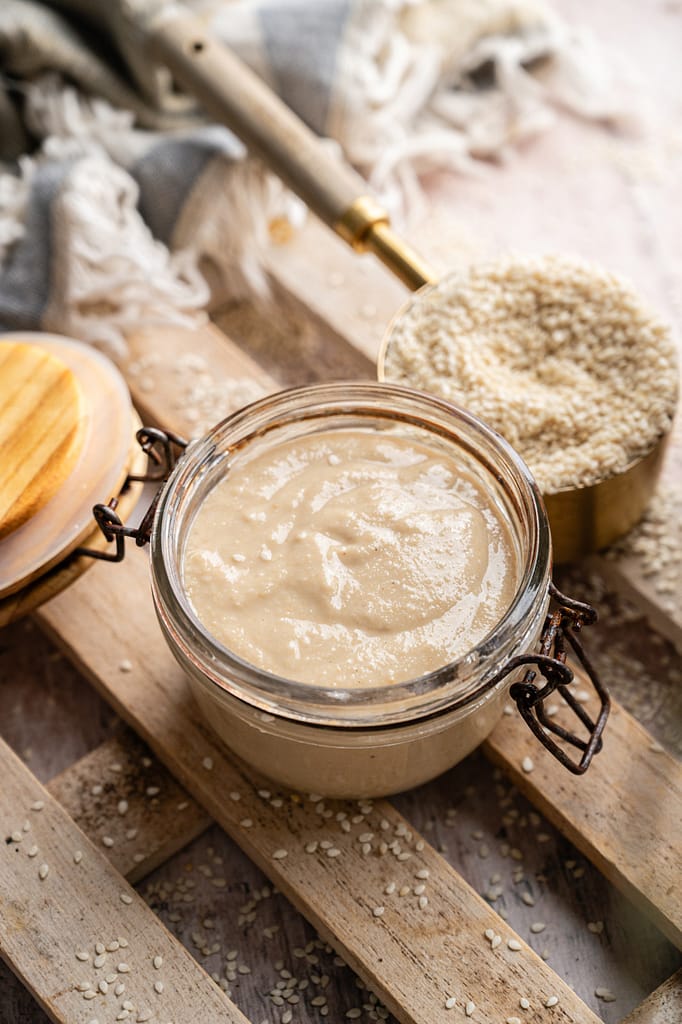
Making homemade tahini is easier than you might think! With toasted sesame seeds and a food processor, you can create a rich, creamy pantry staple that’s perfect for homemade hummus, dressings, sauces, and so much more.

Homemade Tahini Recipe | Creamy Toasted Sesame Paste
If you’ve ever opened a jar of tahini and wondered if you could make it yourself, you absolutely can! This homemade tahini starts with good quality sesame seeds, lightly toasted and blended into a rich, creamy paste.
I love having homemade tahini on hand because there are so many ways to use it. Of course, it’s wonderful in homemade hummus, but it’s just as delicious whisked into salad dressings, drizzled over roasted vegetables, or added to baked goods for a little nutty flavor. It’s one of those ingredients that earns its place in a well-stocked pantry.
One of my favorite things about making tahini from scratch is knowing exactly what goes into it. Just sesame seeds, a pinch of salt, and a little oil only if needed. It’s a small extra step when I’m making hummus, but that fresh, toasted sesame flavor makes it worth it.
Why You’ll Love This
Homemade tahini is a wonderful addition to your pantry, especially when you realize how easy it is to make. With just a few ingredients, you’ll have a fresh batch ready to use in all sorts of recipes.
- Simple, good quality ingredients. Just sesame seeds, a pinch of salt, and a little oil if needed. Nothing unnecessary.
- Wonderful toasted flavor. Lightly toasting the sesame seeds brings out their natural nutty flavor without overpowering them.
- Make it your own. Prefer a thicker tahini or something a little more pourable? You can adjust the consistency to suit whatever you’re making.
- More than just hummus. From creamy salad dressings and savory sauces to cookies and other baked treats, you’ll find plenty of ways to put your homemade tahini to good use.
Ingredients You’ll Need
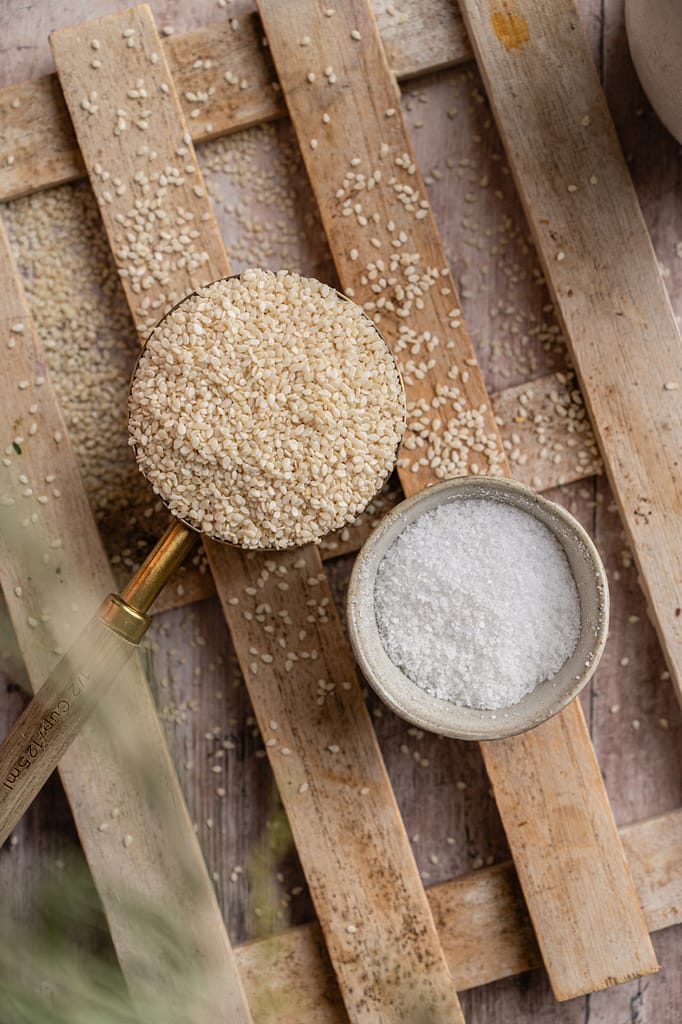
Raw Hulled Sesame Seeds
I prefer using raw hulled sesame seeds because they make a smoother, creamier tahini with a mild, nutty flavor. Since the outer hull has been removed, they also have less bitterness than unhulled sesame seeds. We’ll lightly toast them ourselves to bring out their flavor without making them too dark.
Fine Sea Salt
Just a pinch of fine sea salt helps bring out the natural nutty flavor of the sesame seeds without making the tahini taste salty. I prefer fine sea salt because it blends easily into the sesame paste, giving you a smooth, balanced flavor.
Avocado Oil, (Optional)
Sesame seeds naturally contain oil, so you may not need to add any at all. I always recommend blending the seeds thoroughly first to give them time to release their natural oils. If your tahini is still too thick, add a little avocado oil until you reach the consistency you’re looking for.
Ingredient Philosophy
Whenever possible, I choose organic sesame seeds and look for good quality ingredients that are fresh and full of flavor. When you’re making something as simple as homemade tahini, every ingredient matters. Starting with fresh sesame seeds and lightly toasting them brings out that wonderful nutty flavor without adding any bitterness.
This is one of the reasons I love keeping a well-stocked pantry. Having a few good quality staples on hand makes it easier to prepare things from scratch, whether it’s a simple sauce, a homemade dressing, or something a little more involved.
How to Make Homemade Tahini
Lightly Toast the Sesame Seeds
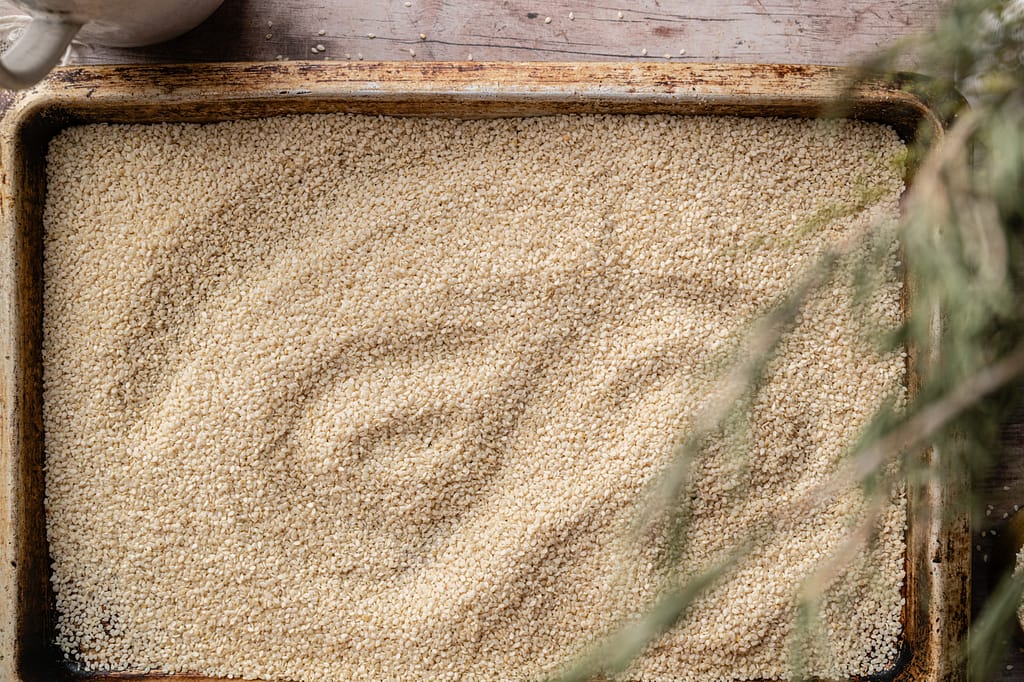
Preheat your oven to 350°F (175°C). Spread the sesame seeds in an even layer on a rimmed baking sheet and toast for 8–10 minutes, stirring halfway through. You’re looking for a light golden color and a lovely nutty aroma. Be careful not to overtoast them, as darker sesame seeds can give your tahini a bitter flavor.
Cool Completely
Allow the sesame seeds to cool completely before transferring them to your food processor. This helps prevent the mixture from becoming too warm during blending.
Start Blending
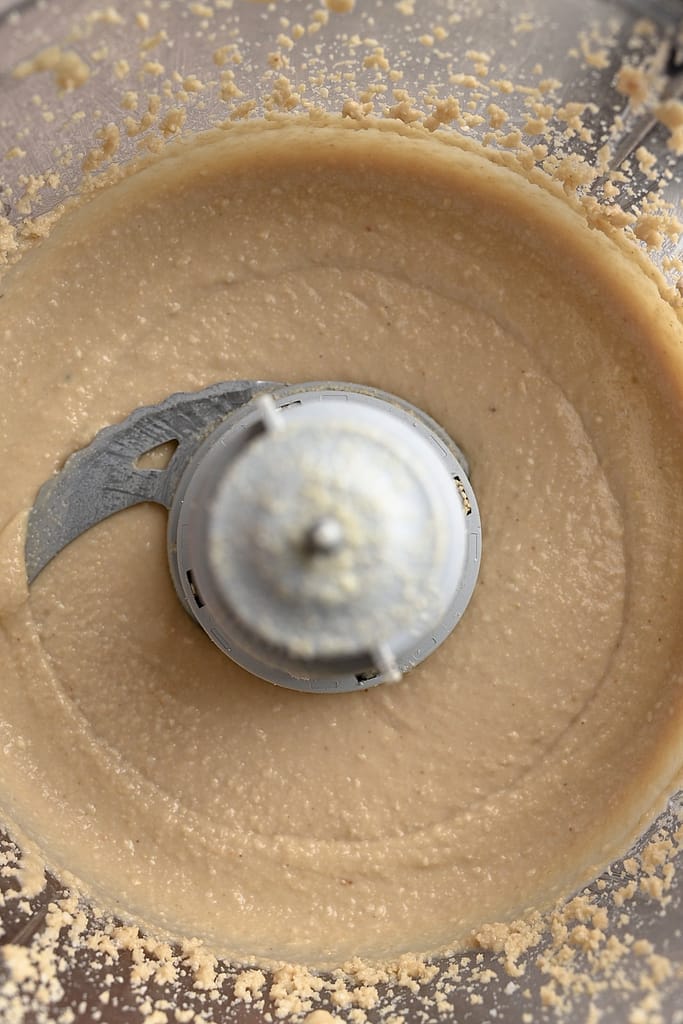
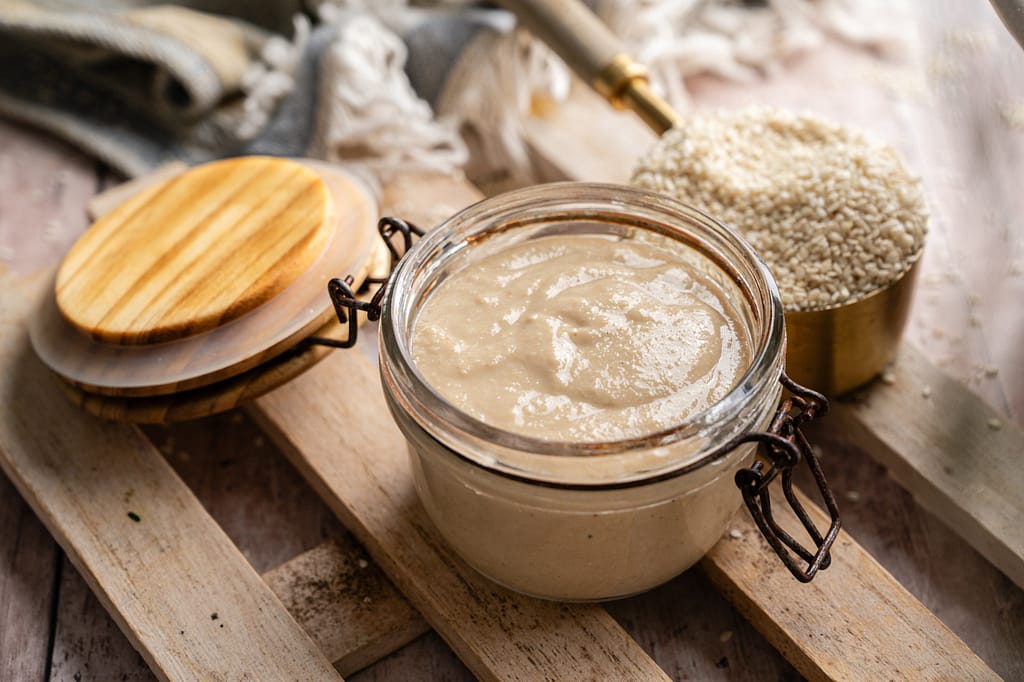
Add the cooled sesame seeds to your food processor and blend for 3–5 minutes, stopping occasionally to scrape down the sides. At first, the mixture will look sandy and crumbly, but don’t worry! This is exactly what you want to see. Keep blending, and you’ll notice the seeds gradually start coming together into a thick paste.
Blend Until Smooth and Creamy
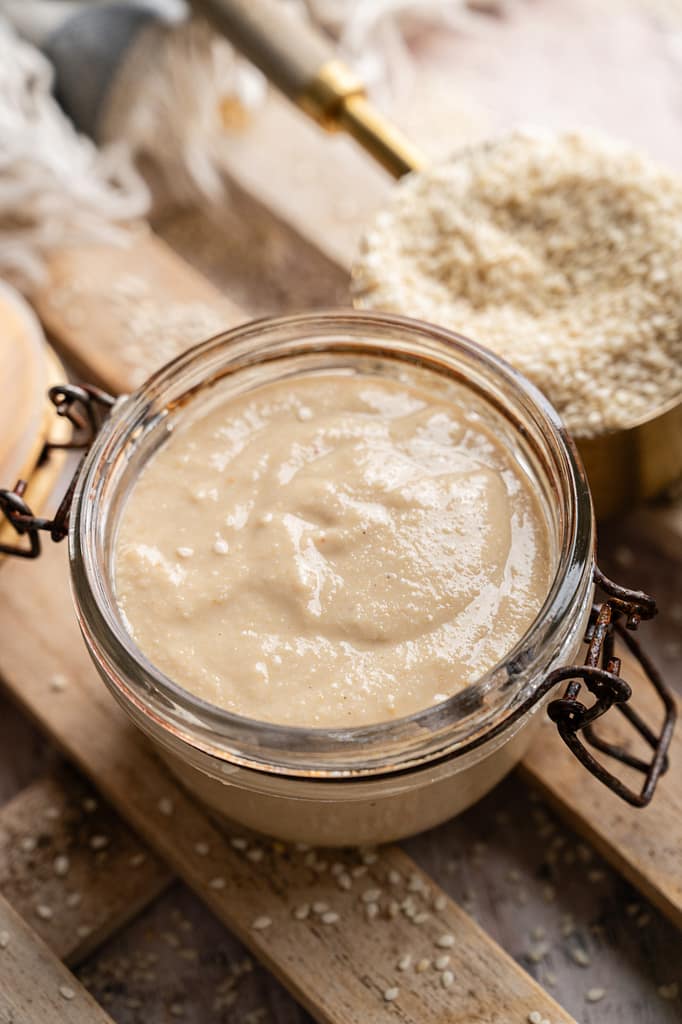
Continue processing for another 5–10 minutes until the tahini becomes smooth and creamy. Depending on your food processor, this may take a little longer. If your tahini is still too thick after blending thoroughly, add avocado oil, one tablespoon at a time, until you reach your desired consistency.
Season and Store
Add the fine sea salt and give everything one final blend. Taste and adjust if needed, then transfer your homemade tahini to a clean, dry glass jar. Once completely cool, cover and refrigerate.
My Weathered Tips
Gather everything first. A little mise en place makes everything easier. Measure your ingredients and have your baking sheet, food processor, spatula, and clean glass jar ready before you begin.
Keep an eye on the color. Sesame seeds can go from lightly golden to overtoasted rather quickly. You’re looking for a light golden color and a nutty aroma, not dark brown seeds that can make your tahini taste bitter.
Be patient with the food processor. Don’t rush to add oil if your sesame seeds look dry or crumbly at first. Give them time to release their natural oils, scraping down the sides and bottom of the bowl as needed. If your food processor gets too warm, give it a short break before continuing.
Size matters. I developed this recipe using a 9-cup food processor. If you’re using a larger one, you may need to increase the amount of sesame seeds so there’s enough in the bowl for the blades to properly process them into a smooth paste.

Homemade Tahini
This homemade tahini recipe turns lightly toasted sesame seeds into a smooth, creamy paste with a wonderfully nutty flavor. Made with just a few simple ingredients, it’s a versatile pantry staple perfect for homemade hummus, salad dressings, savory sauces, and even baking.
- Total Time55 minutes
- YieldAbout 1 3/4 cups 1x
- DietVegan
Ingredients
- 430 g raw hulled sesame seeds
- fine sea salt to taste
- avocado oil, only if needed
Instructions
- Preheat the oven to 350°F (175°C). Spread the sesame seeds evenly across a rimmed baking sheet.
- Toast for 8 to 10 minutes, stirring the seeds and rotating the pan halfway through. Remove them when they are fragrant and lightly golden. Watch closely because sesame seeds can burn quickly and dark seeds may make the tahini bitter.
- Cool the sesame seeds completely on the baking sheet before processing.
- Transfer the cooled sesame seeds to a food processor or high-powered blender. Process for 3 to 5 minutes, stopping every minute at first to scrape down the sides and bottom of the bowl. The mixture will move from sandy crumbs to a thick paste.
- Continue processing until the tahini becomes smooth, glossy, and pourable, about 5 to 10 minutes more. If the food processor or tahini becomes hot, stop and let both cool for several minutes before continuing.
- If the tahini remains thicker than you prefer after thorough processing, add avocado oil 1 tablespoon at a time, blending well after each addition. Use only as much as needed to reach the desired consistency.
- Add the fine sea salt and process for 15 to 30 seconds. Taste and adjust the salt if needed.
- Transfer the tahini to a clean, dry jar. Let it cool completely with the lid slightly ajar, then cover and refrigerate.
Notes
Storage: Store homemade tahini in a clean, airtight glass jar in the refrigerator for up to one month. Natural oil separation is normal, so give it a good stir before using. Always use a clean, dry spoon, and discard the tahini if it develops an unpleasant or rancid smell or flavor.
Equipment: Rimmed baking sheet, food processor or Vitamix, silicone spatula, and a clean, dry glass jar.
Food Processor Size: I developed this recipe using a 9-cup food processor. If you’re using a larger model, you may need to increase the amount of sesame seeds so there’s enough in the bowl for the blades to blend them into a smooth, creamy paste. A high-powered blender, such as a Vitamix, can also be used.
- Prep Time: 15 minutes
- Cooling Time: 30 minutes
- Cook Time: 10 minutes
- Category: Sauces & Staples
- Method: Food Processor
From Pantry to Table
Now that you’ve made your own tahini, let’s put it to good use! One of my favorite ways to use it is in Homemade Hummus, where it adds that wonderful creamy texture and nutty flavor.
But don’t stop at hummus! Whisk a little tahini with fresh lemon juice and water for a simple dressing, drizzle it over roasted vegetables, or add a spoonful to your morning oatmeal with a little maple syrup. It’s just as lovely in savory dishes as it is in something sweet.
I like to keep my homemade tahini plain and add other ingredients as I need them. That way, one jar can become all sorts of things throughout the week.
Variations
Once you’ve made your homemade tahini, there are so many ways to play with the flavors. I recommend keeping the main jar plain and mixing up smaller portions depending on what you’re making.
Warm-Spiced Tahini. Add a pinch of cumin, smoked paprika, or ground coriander to a small portion for a savory variation that pairs beautifully with roasted vegetables.
Lemon Tahini Sauce. Whisk together tahini, fresh lemon juice, a little garlic, and enough cold water to make a creamy, pourable sauce. Wonderful over roasted vegetables or grain bowls.
Fresh Herb Tahini. Stir in finely chopped parsley, dill, or cilantro with a little lemon juice for a fresh, flavorful sauce. Perfect alongside grilled vegetables or Mediterranean-inspired dishes.
Maple Cinnamon Tahini. Mix a spoonful of tahini with pure maple syrup and a pinch of cinnamon. Try it drizzled over oatmeal, fresh apples, or yogurt.
Frequently Asked Questions
Should I use hulled or unhulled sesame seeds?
I recommend using hulled sesame seeds for homemade tahini. They have a milder flavor and create a smoother, creamier texture. Unhulled sesame seeds can also be used, but your tahini will be darker, slightly grainier, and more bitter.
Why does my homemade tahini taste bitter?
A little bitterness is natural with sesame seeds, but too much usually comes from overtoasting or using older seeds. Toast them just until lightly golden and fragrant, and always start with fresh, good quality sesame seeds.
Do I need to add oil to homemade tahini?
Not necessarily! Sesame seeds naturally contain oil, so give your food processor plenty of time to work before adding any. If your tahini is still too thick, add avocado oil one tablespoon at a time until you reach your preferred consistency.
Can I make tahini in a Vitamix?
Absolutely! A high-powered blender like a Vitamix can make beautifully smooth tahini. Just keep in mind that you may need a larger batch of sesame seeds to keep everything moving around the blades. Use the tamper as directed by the manufacturer if needed.
Around My Table
There’s something so satisfying about making your own pantry staples from scratch, especially when they’re as simple as homemade tahini. I love knowing exactly what’s in the jar and having something homemade ready whenever a recipe calls for it.
And that’s what I hope you’ll take away from this recipe. Sometimes it’s the simplest things we make in our kitchens that become the ones we reach for again and again. A few good quality ingredients, a little time, and you’ve made something wonderful to share around your table.
Now that you’ve made your own tahini, why not put it to good use in my Homemade Hummus? And for more inspiration, take a little look through my Recipe Box for something delicious to make next.

return to recipe box
Questions about a recipe or technique?
I’m always happy to help. Feel free to reach out if you need guidance, substitutions, or a little extra help in the kitchen.
Pull up a Chair...
return to pantry foundations
return to recipe box
[email protected]
Questions about a recipe or technique?
I’m always happy to help. Feel free to reach out if you need guidance, substitutions, or a little extra help in the kitchen.
Lisa Marie
Leave a Reply