October 5, 2026
A rich, creamy Italian walnut sauce made with toasted walnuts, Parmesan, Pecorino, garlic, and extra-virgin olive oil. This bread-free Salsa di Noci is wonderfully versatile for pasta, roasted vegetables, crostini, and more.
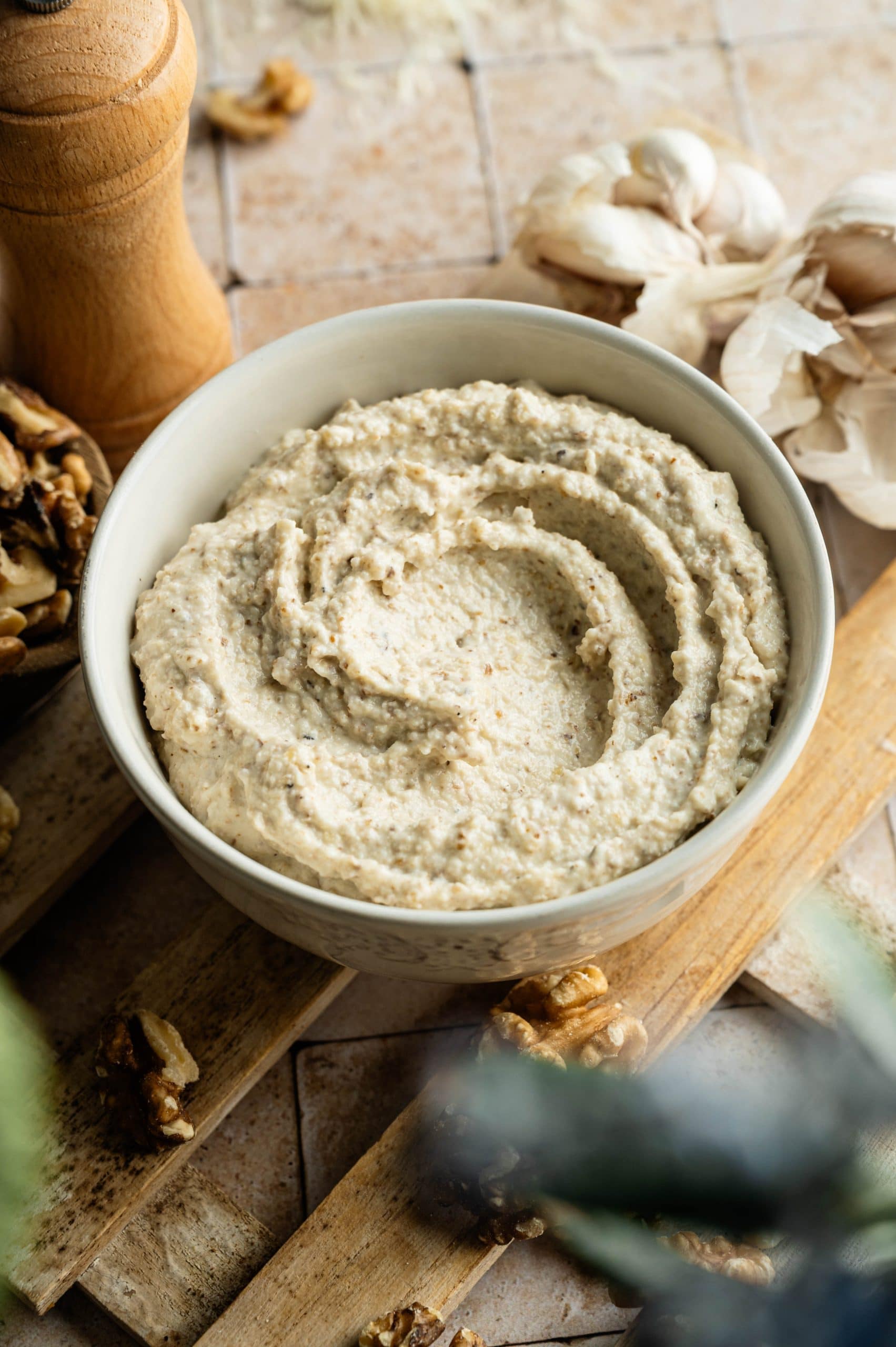
Creamy Italian Walnut Sauce | Salsa di Noci
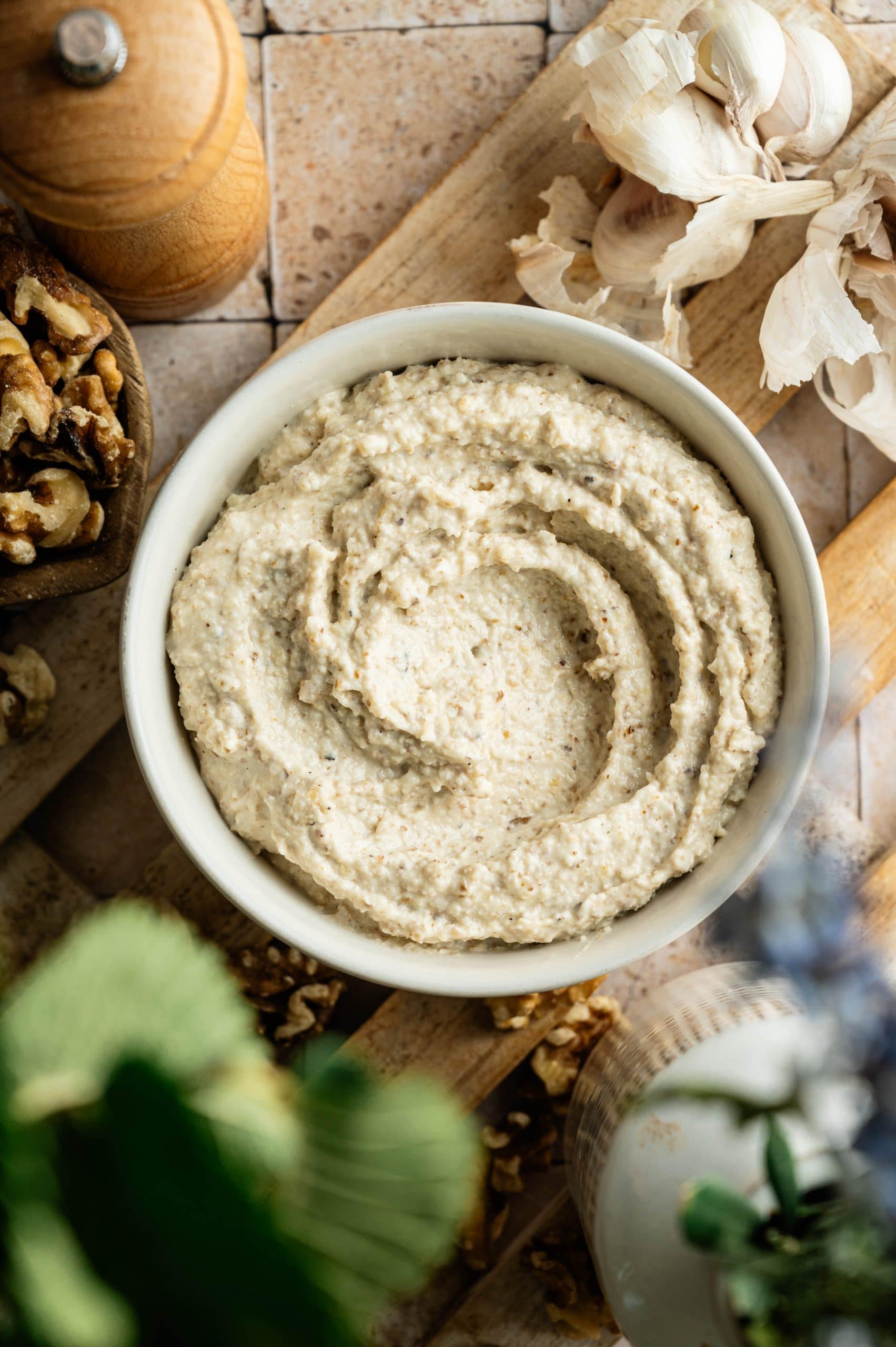
Walnut Sauce (Salsa di Noci) is a creamy Italian sauce made with toasted walnuts, Parmesan, Pecorino, garlic, and good extra-virgin olive oil. It has a rich, nutty flavor and a softly rustic texture that reminds me of the kind of sauces I came to love while living in Italy.
Traditional Salsa di Noci often includes a small piece of bread to help thicken the sauce, but I leave it out. The walnuts give this sauce plenty of body on their own, while keeping the flavor focused on the nuts, cheese, garlic, and olive oil.
I like to make my Salsa di Noci on the thicker side, then adjust it depending on how I’m using it. A little reserved pasta water or olive oil will loosen it for pasta, and for a richer sauce, I’ll gently warm it with a splash of heavy cream. It’s also delicious spooned over roasted vegetables, spread onto crostini, or tucked into a sandwich.
Why You’ll Love This
This Walnut Sauce (Salsa di Noci) is rich, savory, and full of toasted walnut flavor. It comes together quickly with a handful of good quality ingredients and has that rustic Italian character that always feels at home in my kitchen.
- Deep walnut flavor. Toasting the walnuts brings out their natural oils and gives the sauce a warmer, fuller flavor.
- Parmesan and Pecorino. Using both cheeses adds layers of salty, savory flavor without overpowering the walnuts.
- Ready in about 15 minutes. A quick toast of the walnuts and a few minutes in the food processor are all it takes.
- No bread needed. The walnuts create plenty of body on their own, giving the sauce a naturally creamy texture while keeping the flavor focused on the nuts, cheese, and olive oil.
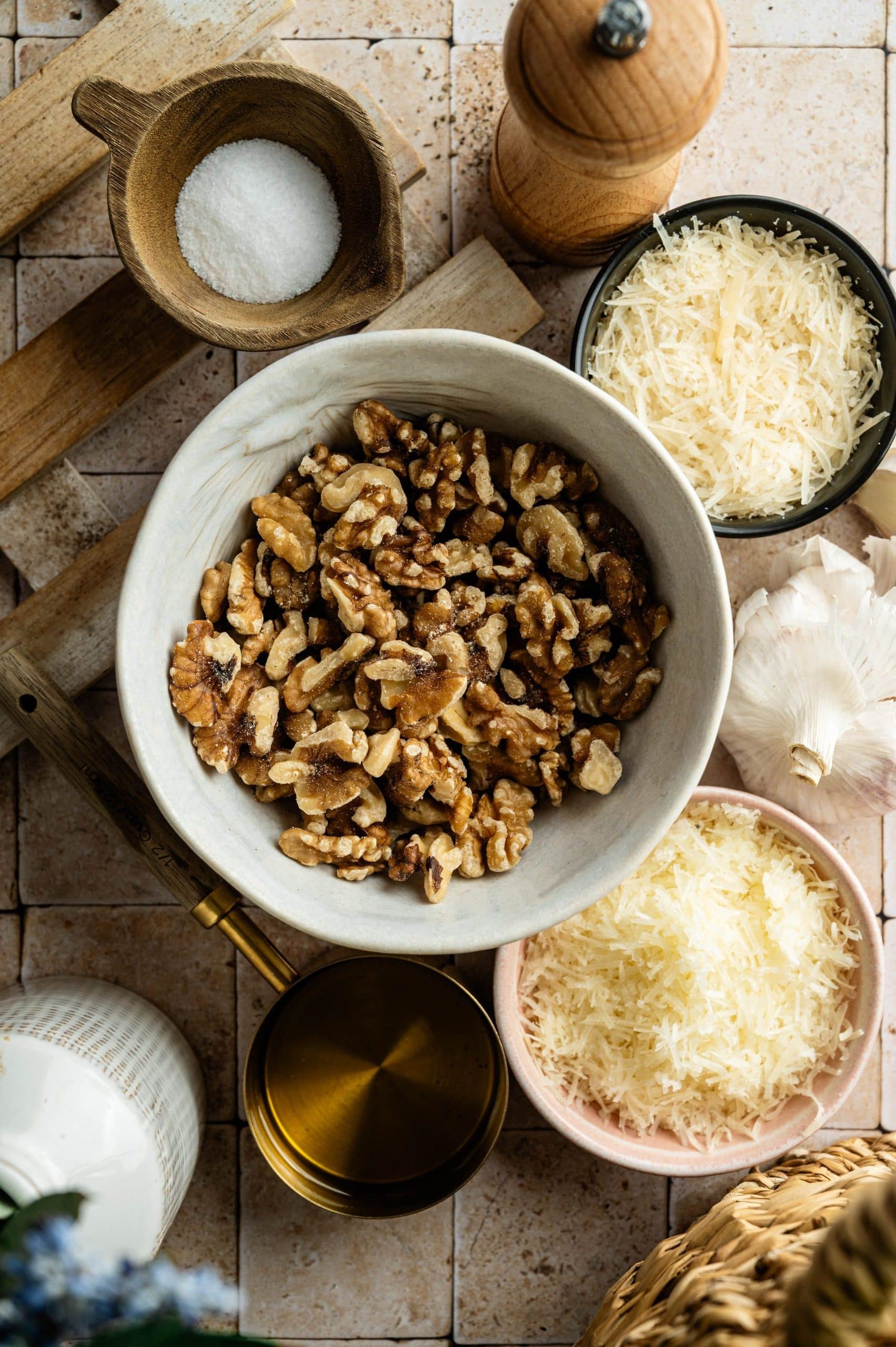
Ingredients You’ll Need
Walnuts
Walnuts are the heart of this sauce, so freshness matters. Toasting them first deepens their flavor and brings out their natural oils. Let them cool completely before blending.
Parmesan and Pecorino
Parmesan brings a mellow, nutty flavor while Pecorino adds a sharper, saltier edge. I like using both because they give the sauce more depth and balance than either cheese alone.
Garlic
A little garlic gives the sauce just enough bite without overpowering the walnuts. Since raw garlic can vary quite a bit in strength, I keep it restrained here.
Extra-Virgin Olive Oil
Use a good quality extra-virgin olive oil since its flavor comes through in the finished sauce. It helps bring everything together while adding richness without making the sauce heavy.
Warm Water
Warm water helps loosen the walnuts and cheeses as they blend, creating a creamy, spoonable texture without relying on additional olive oil.
Ingredient Philosophy
I choose organic ingredients whenever I can, and with a sauce this simple, quality really matters. Fresh walnuts, freshly grated Parmesan and Pecorino, and good quality extra-virgin olive oil all have a chance to come through, so I like to start with ingredients I would be happy to use on their own in other dishes.
Walnuts are especially worth paying attention to because their natural oils can turn rancid over time. I keep mine well sealed in a cool pantry, and for longer storage I’ll refrigerate or freeze them. Toasting them just before making the sauce wakes up their flavor and gives Salsa di Noci that deeper, nuttier character.
This is also exactly the kind of recipe I think about when building a well-stocked pantry. When staples like nuts, cheese, olive oil, and garlic are already on hand, they can quickly become something completely different without another trip to the store.
How to Make Salsa di Noci
Toast the Walnuts
Toast the walnuts in a dry skillet over medium-low heat for 3 to 5 minutes, stirring often, until they are fragrant. Transfer them from the hot skillet and let them cool completely before blending.
Pulse the Walnuts and Garlic
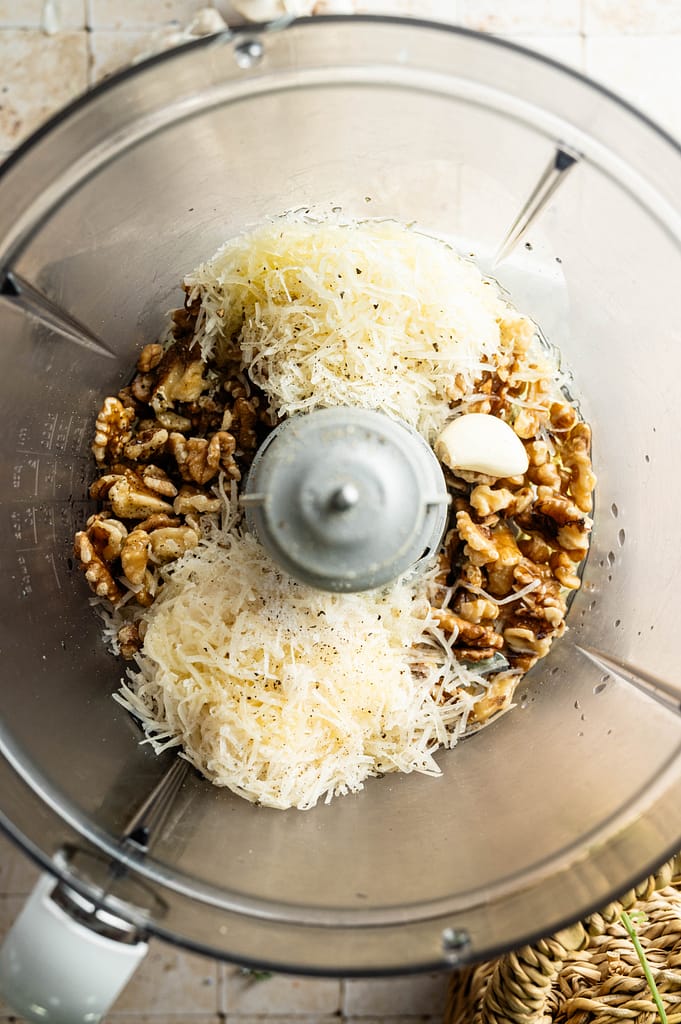
Add the cooled walnuts and garlic to a food processor. Pulse until the walnuts are finely chopped, stopping before they begin to turn into walnut butter. A little texture is exactly what you want here.
Add the Cheese and Seasoning
Add the Parmesan, Pecorino, sea salt, and freshly ground black pepper. Pulse again just until everything is evenly combined.
Add the Olive Oil
With the food processor running, slowly stream in the olive oil until the sauce begins to come together. Stop and scrape down the sides of the bowl as needed so everything blends evenly.
Adjust the Texture
Add warm water a little at a time and pulse until the sauce is thick, creamy, and spoonable. Taste before adjusting the seasoning. Parmesan and Pecorino can vary quite a bit in saltiness, so I prefer to make any final adjustments once the sauce is fully blended.
My Weathered Tips
Gather everything first. A little mise en place makes this sauce come together easily. Grate the cheeses, measure the ingredients, and have the food processor ready before you begin.
Let the walnuts cool completely. Toasting brings out their flavor, but give them time to cool before blending. Warm walnuts can soften the cheese and change the texture of the sauce.
Keep a little texture. Pulse the walnuts until they are finely chopped, but stop before they begin turning into walnut butter. Salsa di Noci should be creamy, but still have a softly rustic texture.
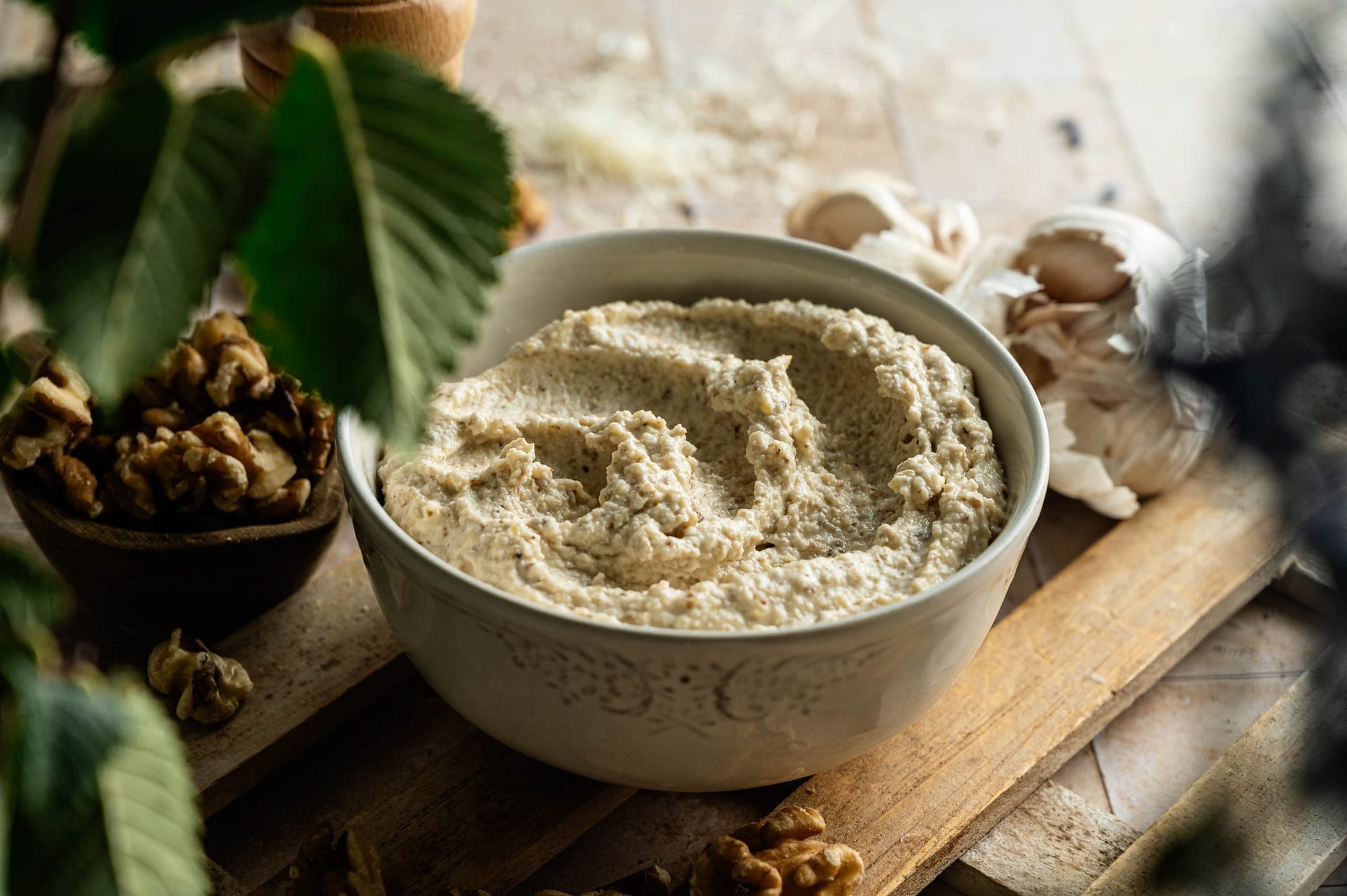

Creamy Italian Walnut Sauce (Salsa di Noci)
A creamy, rustic Italian walnut sauce made with toasted walnuts, Parmesan, Pecorino, garlic, and olive oil. Use it with pasta, on crostini, or anywhere you want a deeply savory pantry staple.
- Total Time15 minutes
- Yieldabout 1½ cups 1x
- DietGluten-Free, Vegetarian
Ingredients
- 200 g walnuts, lightly toasted
- 35 g freshly grated Parmesan cheese
- 35 g freshly grated Pecorino cheese
- 1 small garlic clove
- 40–50 g extra virgin olive oil
- 1/2 teaspoon fine sea salt
- 1/4 teaspoon freshly ground black pepper
- 1–2 tablespoons warm water, as needed
Instructions
Toast the Walnuts
- Place the walnuts in a dry skillet over medium-low heat.
- Toast for 3 to 5 minutes, stirring frequently, until fragrant.
- Remove from the heat and allow them to cool slightly.
Blend the Sauce
- Add the toasted walnuts, Parmesan cheese, Pecorino cheese, garlic, olive oil, salt, and pepper to a food processor.
- Blend until smooth.
- Add 1 to 2 tablespoons of warm water, as needed, until the sauce is thick, creamy, and spreadable.
- Taste and adjust the seasoning.
Notes
Walnuts: Let the toasted walnuts cool completely before blending so they do not warm the cheese.
Texture: Keep the sauce slightly thick when storing it. You can loosen individual portions later with warm water, reserved pasta water, olive oil, or a splash of heavy cream.
For pasta: Add the sauce to warm pasta off the heat or over very low heat. Use reserved pasta water a little at a time until the sauce coats the pasta.
For a creamier sauce: Gently warm the Salsa di Noci with a small splash of heavy cream before tossing with pasta. Avoid boiling it.
Storage: Store in an airtight container in the refrigerator for up to 4 to 5 days. A thin layer of olive oil over the top can help protect the surface.
Before serving: The sauce will thicken in the refrigerator. Stir well and adjust the consistency as needed before using.
- Prep Time: 10 minutes
- Cook Time: 5 minutes
- Category: Sauce
- Method: Food Processor
- Cuisine: Italian
From Pantry to Table
Pasta may be the most familiar way to use Salsa di Noci, but it is just as good in other parts of the meal. Spread it over crostini, spoon it onto roasted vegetables, tuck it into a sandwich or wrap, or add a little to a grain bowl. Kept thick, it works beautifully as a spread. Loosened slightly, it becomes an easy sauce for vegetables, grains, and pasta.
For pasta, reserve a little of the cooking water before draining. Loosen the Salsa di Noci first, then toss it with the hot pasta off the heat so the sauce stays creamy and coats everything evenly. I’ll walk through that method from start to finish in my Salsa di Noci Pasta recipe.
Frequently Asked Questions
Why is my Salsa di Noci bitter?
Walnuts can taste bitter when they are past their best or toasted too deeply. Taste one before you begin, and toast only until the walnuts become fragrant.
How thick should Salsa di Noci be?
The base sauce should be thick, creamy, and spoonable. Keeping it on the thicker side makes it easier to adjust later depending on how you plan to serve it.
Can I make Salsa di Noci ahead of time?
Yes. Store it in an airtight container in the refrigerator for up to four days. It will firm up as it chills, so give it a good stir before serving and loosen it if needed.
Can I freeze Salsa di Noci?
Yes. Freeze it in small portions for up to two months. Thaw overnight in the refrigerator, stir well, and adjust the texture before serving.
Around My Table
Salsa di Noci is the kind of recipe that brings me back to the way I learned to cook in Italy. A few good ingredients, treated well, can become something far greater than they first appear. Walnuts, cheese, garlic, and olive oil turn into a sauce that feels rustic, generous, and completely at home on the table.
I often make the sauce before I know exactly where it will end up. It may become pasta that evening, find its way onto roasted vegetables the next day, or disappear by the spoonful onto a piece of bread while I’m standing at the counter. That kind of ease is what I want from the staples I keep in my kitchen.
If this is the kind of recipe you enjoy keeping on hand, there is plenty more waiting in the Recipe Box, from everyday sauces and pantry staples to slow, comforting meals made for gathering around the table.

return to recipe box
Questions about a recipe or technique?
I’m always happy to help. Feel free to reach out if you need guidance, substitutions, or a little extra help in the kitchen.
Pull up a Chair...
return to pantry foundations
return to recipe box
[email protected]
Questions about a recipe or technique?
I’m always happy to help. Feel free to reach out if you need guidance, substitutions, or a little extra help in the kitchen.
Lisa Marie
Leave a Reply