


Homemade Chocolate Pudding

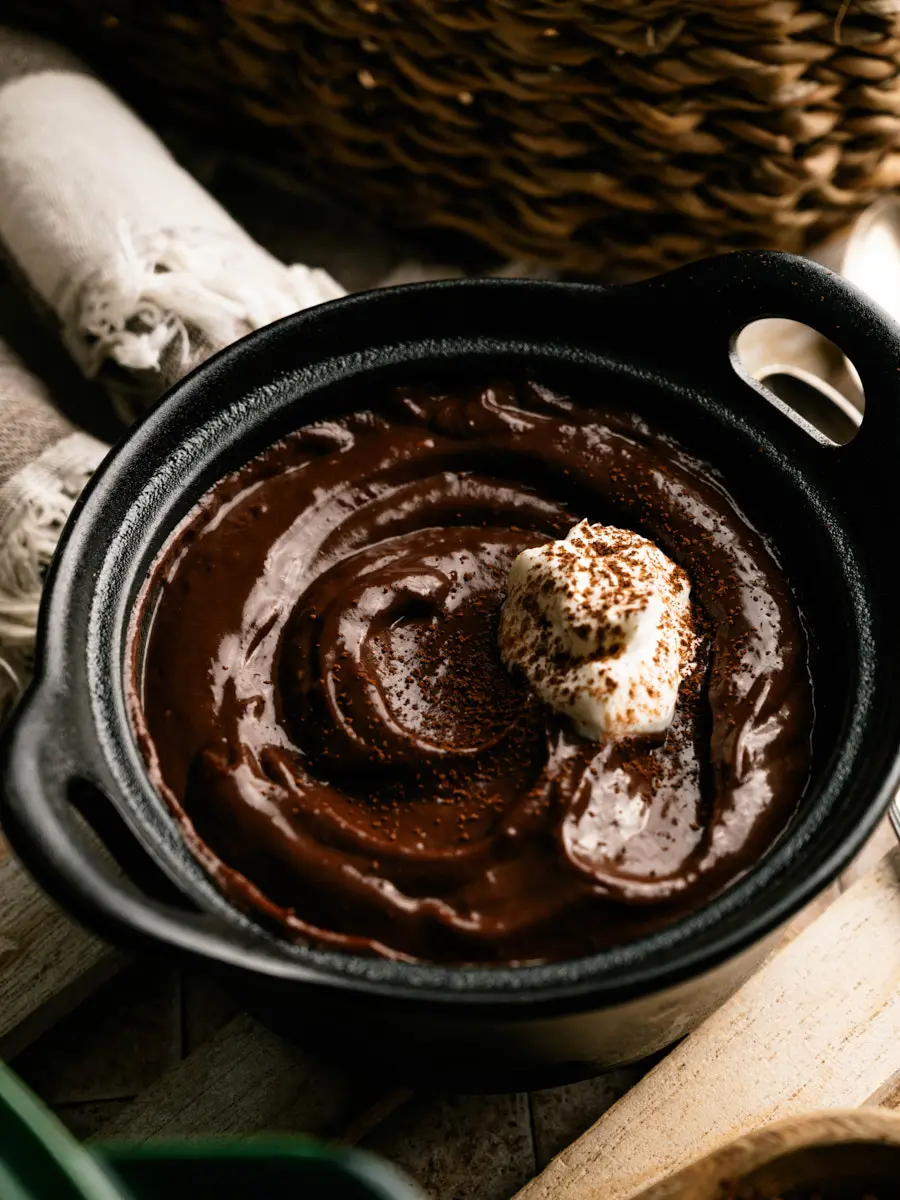
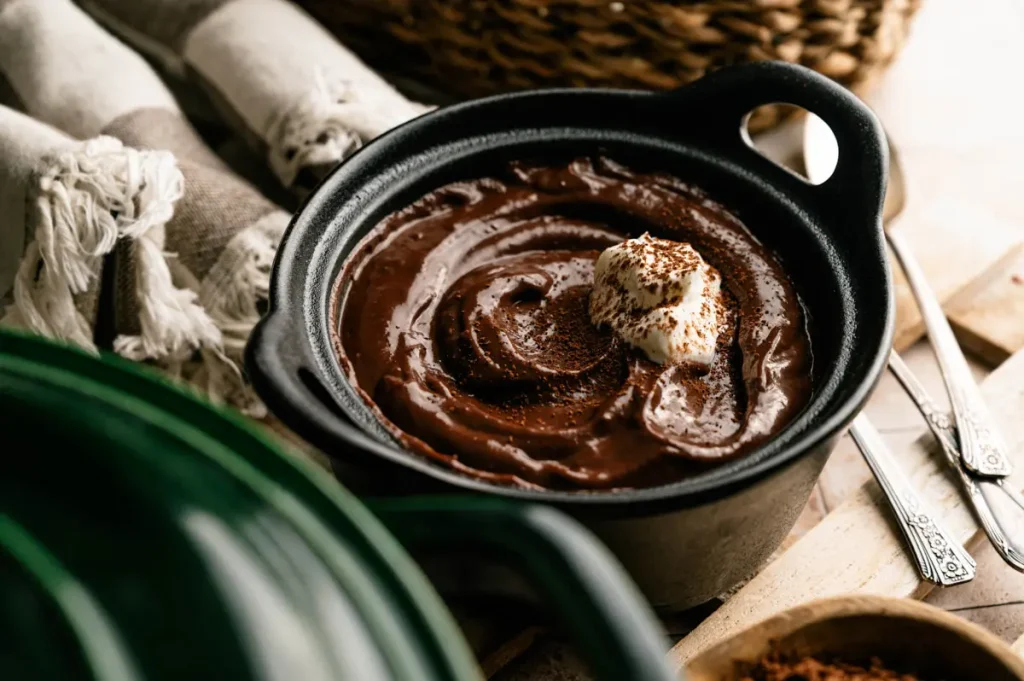
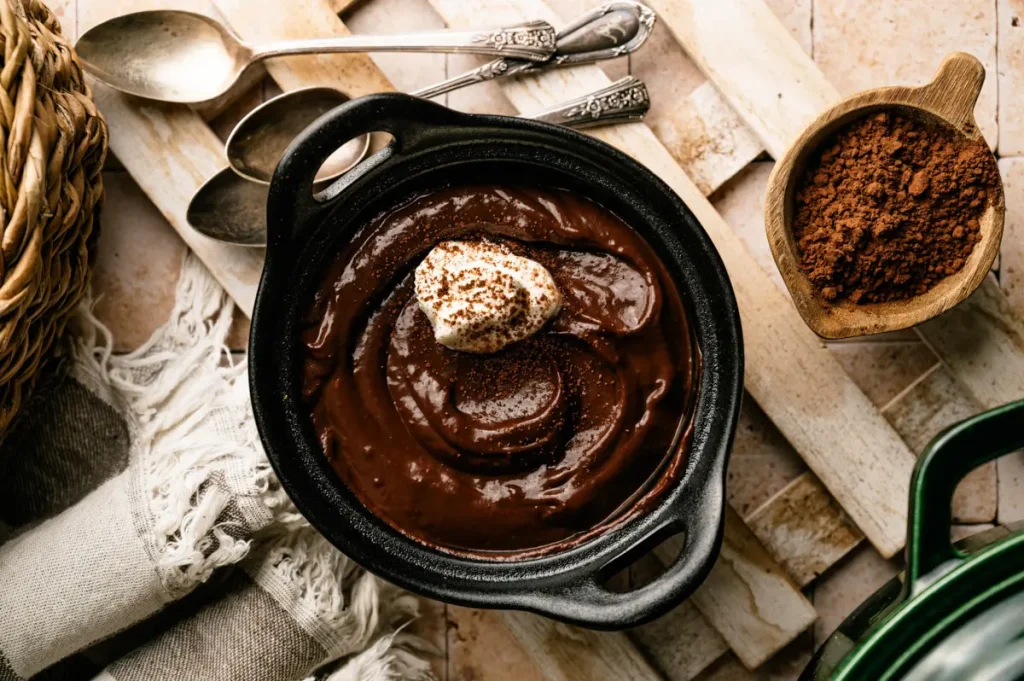
This homemade chocolate pudding combines two cocoa powders, whole milk, cream, and semisweet chocolate for a rich, silky dessert made completely from scratch with the nostalgic charm of an old-fashioned favorite.
February 10, 2026
There’s something wonderfully old-fashioned about a bowl of homemade chocolate pudding. It’s the kind of dessert that feels familiar the moment it reaches the table, whether it’s spooned into little bowls after Sunday dinner and topped with softly whipped cream for everyone to dig into, or even enjoyed as a weekday snack with a splash of milk. It’s a favorite go-to in our house, and one of those simple homemade desserts we never seem to tire of. Rich and chocolatey without feeling overly fussy, it has a way of making an ordinary afternoon or evening feel a little more special.
Making chocolate pudding from scratch is one of those simple kitchen traditions worth bringing back. A saucepan on the stove, a whisk in hand, and a handful of pantry staples slowly becoming something glossy, creamy, and deeply chocolatey. There’s something satisfying about watching the mixture thicken as it cooks and knowing exactly what went into it. It takes only a little more effort than opening a box, but what comes from the stove tastes so much better and reminds you just how simple homemade dessert can be.
What makes this version especially good is the combination of natural and Dutch-process cocoa, along with semisweet chocolate stirred in at the end. The two cocoas work together to build a deeper, more balanced chocolate flavor, while the melted chocolate adds another layer of richness. Whole milk and cream give the pudding its smooth, silky finish, creating a dessert that is rich enough to serve around the table but simple enough to keep tucked in the refrigerator for whenever a spoonful of chocolate sounds good.

Why You Will Love This
This homemade chocolate pudding brings together everything we love in a from-scratch dessert: deep chocolate flavor, a silky, spoonable texture, and simple ingredients you likely already have. It is easy enough for a weekday treat and special enough to serve after supper when family and friends gather around the table.
- Deep chocolate flavor. Two kinds of cocoa create a rich, balanced chocolate flavor without making the pudding overly sweet.
- Smooth and creamy. Whole milk and cream give the pudding its silky, spoonable texture.
- Simple stovetop method. Cornstarch thickens the pudding without eggs or the extra step of tempering.
- Perfect for making ahead. Prepare the pudding in advance and chill it until you are ready to bring dessert to the table.
- Made with familiar ingredients. Everything comes together with simple pantry and refrigerator staples.

Ingredients You’ll Need
Dutch-Process and Natural Cocoa Powder
Dutch-process cocoa gives this pudding its deep color and smooth, mellow flavor. Natural cocoa adds brightness and keeps the chocolate from tasting one-dimensional. Used together, they create a fuller flavor than either one brings on its own. Whisk them well with the sugar, cornstarch, and salt before adding any liquid. Learn more about the difference in my guide to understanding cocoa powder.
Granulated Sugar
Granulated sugar sweetens the pudding while allowing the cocoa and semisweet chocolate to remain at the center. The finished dessert is rich, but it should not taste sugary. Mixing the sugar with the other dry ingredients also helps separate the cocoa and cornstarch before the dairy is added.
Cornstarch
Cornstarch gives homemade chocolate pudding its soft, silky set. It needs enough heat to thicken fully, which is why the temperature cue matters. Cook the pudding to 200–205°F (93–96°C), then let it bubble gently for 30–45 seconds while whisking.
Whole Milk and Heavy Cream
Whole milk forms the base, while heavy cream adds body and richness. Together, they create a smooth, creamy pudding that feels rich without becoming too heavy.
Butter, Vanilla, and Semisweet Chocolate
Butter gives the hot pudding a glossy finish. Vanilla rounds out the cocoa, and semisweet chocolate adds another layer of flavor and helps create that lovely, silky spoonful.
Ingredient Philosophy
With a recipe this simple, the ingredients really do matter. Fresh dairy, good cocoa, pure vanilla, and chocolate you enjoy eating all contribute to the flavor of the finished pudding. I use organic when I can and choose ingredients I know and love, but making food from scratch doesn’t need to be complicated. Part of the fun is learning how a few good ingredients work together and how small choices can make a difference in the finished recipe. Choose what works best in your kitchen, enjoy the process, and make it your own.
How to Make Homemade Chocolate Pudding
Combine the Dry Ingredients
In a heavy-bottomed 2-quart saucepan, whisk together the granulated sugar, Dutch-process cocoa, natural cocoa, cornstarch, and fine sea salt. Take a moment to break apart any pockets of cocoa or starch. Starting with an even dry mixture makes it much easier to create a smooth pudding.
Cook Until Thick and Glossy
Whisk in the milk and cream until the mixture is completely smooth. Set the saucepan over medium heat and cook, whisking constantly and reaching into the corners of the pan. The mixture will look thin at first, then gradually become darker, thicker, and glossy.
Continue cooking until the pudding reaches 200–205°F (93–96°C). Once it begins to form gentle bubbles, keep whisking for another 30–45 seconds. Remove the saucepan from the heat immediately. This final bit of cooking fully activates the cornstarch and gives the pudding its smooth set.
Finish the Pudding
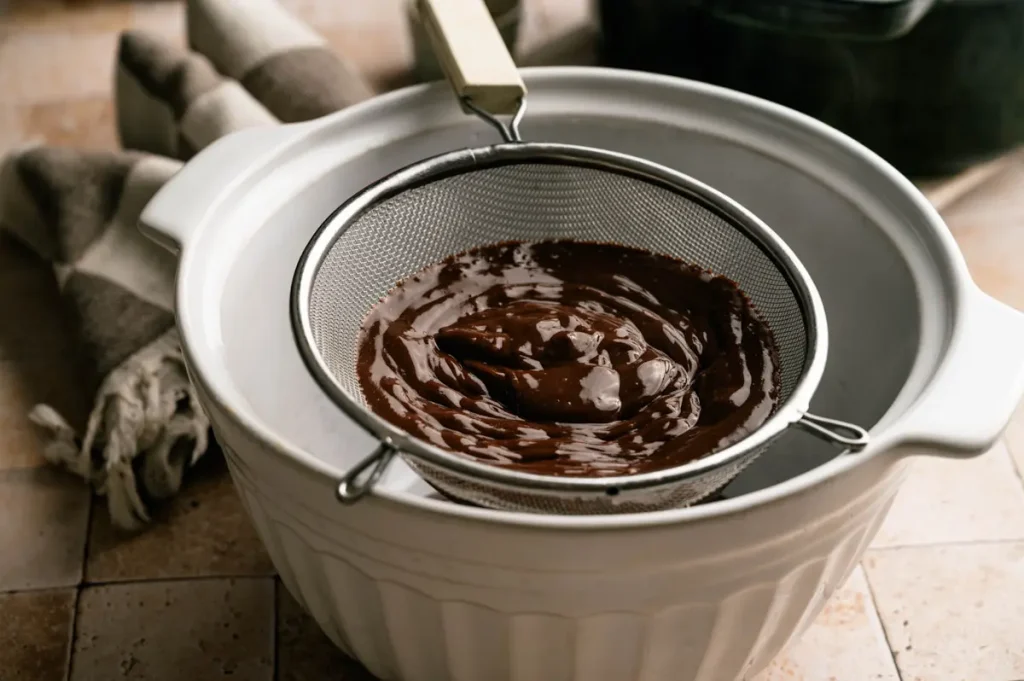
Pour the hot pudding through a fine-mesh strainer into a heatproof bowl. Stir in the butter until melted, then add the vanilla and semisweet chocolate. Continue stirring until the chocolate has completely melted and the pudding looks glossy and uniform.
Chill Until Set
Divide the pudding among individual ramekins or transfer it to one serving bowl. Press plastic wrap directly against the surface if you prefer pudding without a skin. Refrigerate for 2–3 hours, or until completely chilled and set. Serve it simply, or add softly whipped cream, chocolate shavings, or fresh berries.
My Weathered Table Tips
Whisk constantly. Reach into the bottom and corners of the saucepan as the pudding cooks.
Use the temperature cue. Cook to 200–205°F so the cornstarch fully thickens the pudding.
Strain for a silky finish. Passing the hot pudding through a fine-mesh strainer catches any tiny lumps.
Finish while hot. Add the butter, vanilla, and chocolate while the pudding is still warm enough to melt them gently.
Allow extra time when doubling. A larger batch will need several additional minutes to reach temperature and begin bubbling.
Homemade Chocolate Pudding
Rich, silky homemade chocolate pudding made from scratch with two cocoa powders, whole milk, cream, and semisweet chocolate. This easy stovetop dessert is perfect for making ahead and sharing around the table.
- Total TimeAbout 3 hours
- Yield4–6 servings 1x
Ingredients
Dry Ingredients
- 100 g granulated sugar
- 20 g Dutch-process cocoa powder
- 10 g natural cocoa powder
- 24 g cornstarch
- 1/2 teaspoon fine sea salt
Dairy
- 483 g whole milk
- 138 g heavy cream
Finish
- 25 g unsalted butter
- 1 tsp pure vanilla extract
- 45 g semisweet chocolate chips or finely chopped semisweet chocolate
Optional Garnishes
- Softly whipped cream
- Chocolate shavings
- Fresh raspberries or strawberries
- Dusting of cocoa powder
- Flaky sea salt
Instructions
- In a heavy-bottomed 2-quart saucepan, whisk together the sugar, Dutch-process cocoa, natural cocoa, cornstarch, and sea salt until evenly combined.
- Whisk in the milk and cream until completely smooth.
- Cook over medium heat, whisking constantly, until the pudding reaches 200–205°F (93–96°C).
- Once the pudding thickens and begins gently bubbling, continue whisking for 30–45 seconds.
- Immediately remove the saucepan from the heat.
- Pour the pudding through a fine-mesh strainer into a heatproof bowl.
- Stir in the butter until melted.
- Add the vanilla and semisweet chocolate, stirring until silky smooth.
- the cool for 5-10 minutes
- Divide among ramekins or transfer to a serving bowl.
- Press plastic wrap directly against the surface.
- Refrigerate for 2–3 hours, or until completely chilled and set.
- Serve with whipped cream, chocolate shavings, or fresh berries, if desired.
Notes
- Whisk constantly as the pudding cooks, especially along the bottom and corners of the saucepan.
- Cook to 200–205°F so the cornstarch fully thickens the pudding.
- Straining the hot pudding catches any tiny lumps and creates an especially smooth finish.
- Add the butter, vanilla, and chocolate while the pudding is still hot.
- If doubling the recipe, allow several extra minutes for it to reach temperature and begin bubbling.
- Prep Time: 10 minutes
- Chill Time: 2–3 hours
- Cook Time: 10–15 minutes
- Category: Dessert
- Method: Stovetop
- Cuisine: American
Substitutions and Seasonal Variations
Use One Kind of Cocoa
If you only have one cocoa powder, you can use 30 g total. The pudding will still set properly, but its flavor and color will shift. All Dutch-process cocoa creates a darker, mellower pudding. All natural cocoa tastes slightly brighter and may look lighter.
Change the Chocolate
Semisweet chocolate keeps the sweetness balanced. Dark chocolate will make the pudding more intense, while milk chocolate will create a sweeter, gentler bowl. Keep the amount the same so the finished texture stays close to the tested recipe.
Add a Seasonal Finish
Top the pudding with strawberries or raspberries in spring and summer. In cooler months, add softly whipped cream, toasted nuts, a dusting of cocoa, or a small pinch of flaky sea salt. The base recipe stays the same while the table changes with the season.
Serving Suggestions
Serve homemade chocolate pudding well chilled in small bowls or ramekins. We love it with a spoonful of whipped cream, but you can also add chocolate shavings, fresh berries, or a splash of cold milk.
For family dinners or gatherings, spoon the pudding into individual bowls ahead of time and keep them chilled until dessert. Set out a few toppings and let everyone add their favorites at the table. And sometimes, the best way to eat it is straight from the refrigerator with nothing more than a spoon.
Find more simple desserts made from scratch in the Recipe Box.
Storage and Make Ahead
Homemade chocolate pudding will keep covered in the refrigerator for up to 4 days. If you prefer the top without a skin, press a piece of plastic wrap directly onto the surface before chilling.
Chocolate pudding is a great dessert to make ahead since it needs a few hours in the refrigerator to fully chill and set. Prepare it the day before and keep it covered in the refrigerator until you’re ready to serve. Add any toppings just before serving.
I don’t recommend freezing chocolate pudding. Once thawed, the texture can separate and lose that smooth, creamy consistency that makes homemade pudding so good.
Frequently Asked Questions
Why did my chocolate pudding turn lumpy?
Lumps usually form when the dry ingredients are not mixed thoroughly, the liquid is added too quickly, or the pudding is not whisked consistently as it heats. Straining the hot pudding before adding the butter and chocolate removes small lumps and gives it a smooth finish.
Why does the pudding need to reach 200–205°F?
Cornstarch needs sufficient heat to gelatinize and thicken properly. Cooking to 200–205°F (93–96°C), followed by 30–45 seconds of gentle bubbling, helps the pudding set without tasting chalky.
Can I make chocolate pudding ahead?
Yes. The pudding needs 2–3 hours to chill and set, so it is naturally suited to making ahead. It can be prepared the day before and stored covered in the refrigerator.
Can I use only Dutch-process or natural cocoa?
Yes. Use 30 g total cocoa powder. The flavor will change slightly, but the recipe will still work. Dutch-process cocoa tastes darker and mellower, while natural cocoa adds a brighter chocolate note.
How long does homemade chocolate pudding keep?
Store it covered in the refrigerator for up to four days. Add whipped cream, fruit, or chocolate shavings shortly before serving.

Around My Table
Chocolate pudding has always felt like one of those desserts that belongs to home. Nothing elaborate, nothing saved only for special occasions. Just something you make because everyone loves it, and before long, it becomes one of those familiar favorites people hope to find waiting in the refrigerator.
Those are often the recipes that stay with us. The ones we remember from childhood, make for our own families, and eventually pass along. I hope this chocolate pudding becomes one of those recipes in your home too.
4 responses to “Homemade Chocolate Pudding”
-
I never made homemade pudding. Super easy to make and very yummy!!😋
-
Thank you, Francine! I’m so glad your first homemade pudding was a success. It really is amazing how a few simple ingredients can become something so silky and delicious. I hope you’ll be making it again! 🤎
-
-
I made this recipe with my mom. It was easy to make and easy to follow. Everyone loved it. Silky and chocolatey! Thanks for another wonderful homemade recipe!
-
Thank you so much, Stephanie! I love that you made this with your mom. Recipes are always a little more special when they’re made together. I’m so happy everyone enjoyed that silky, chocolatey goodness! 🤎
-


Leave a Reply